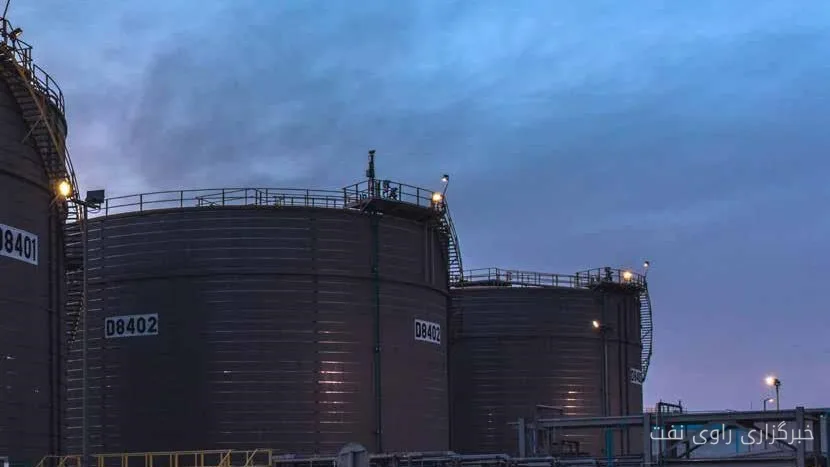
China, the world's largest crude oil importer, has reduced its need to draw from its oil reserves due to increased imports. This country, which has relied on its oil reserves with a capacity of 1.3 billion barrels since the Iran war, has continuously used these reserves since last March.
Oil Market Status and China's Imports
While oil prices rose above $100 per barrel, China continued to draw from its oil reserves due to reduced imports. However, this country managed to keep international prices under control by managing crude oil supply. In the first three months of summer, China did not purchase an average of 4 million barrels of crude oil per day, and this reduction helped maintain prices.
Read more: Lavan Oil Refinery Company Announces New Basis for Feed Rate Calculation
In June, China's crude oil imports fell to the lowest level in the past decade, with the country sharply reducing its imports by 4.4 million barrels per day compared to the 2025 average. However, in July and August, China returned to drawing from its reserves, averaging 530,000 barrels per day from its reserves.
Forecasts and Future Outlook
China is likely to increase its imports to over 10 million barrels per day in October, due to relatively stable oil prices around $80 per barrel, leading to more purchases from the market. Thus, it is expected that this country will maintain its reserves for the coming months.
Analysts predict that if prices remain above $100 per barrel, China may return to drawing from its reserves and reduce imports. This reduction in imports could help the global oil market, which is facing shortages in reserves and rising fuel prices.
Read more: Oil Price Rises to $112 Following Houthi Attacks on Saudi Arabia · Iranian Oil Runs Out in Southeast Asian Waters



