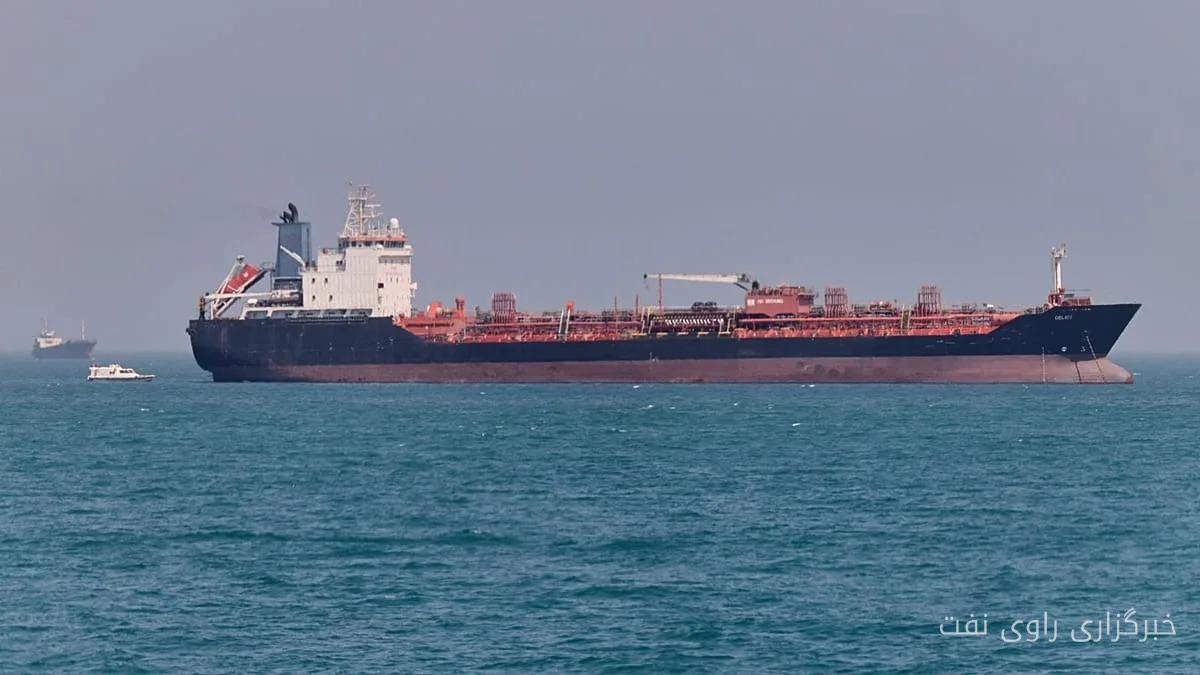
Iran's floating oil reserves in Southeast Asian waters have been completely depleted by mid-October. These reserves, which were estimated at around 135 million barrels at the beginning of the war in February, allowed Tehran to continue selling oil to China despite the U.S. naval blockade.
Shadow Fleet and Concealment Methods
In recent years, Iran had established a network of oil tankers known as the "shadow fleet" that transported crude oil to waters near Malaysia and Singapore. In these areas, shipments were transferred from one ship to another to make it more difficult to identify the Iranian origin of the oil. The oil then reached refineries in China, Iran's largest oil customer.
Read more: Independent companies are buying BP's assets in the North Sea
After the first U.S. naval blockade was established in April, Iran continued to sell oil from floating reserves. With the temporary lifting of the blockade during peace negotiations in mid-June, Tehran increased its reserves again, but after the blockade was re-established in mid-July, the rate of reserve depletion accelerated.
Export Status and Impact of the Blockade
Iran's floating reserves, which had at one point reached nearly 90 million barrels, fell to less than one million barrels by October 5, and estimates suggest that these reserves have since been completely exhausted. However, estimates from tracking agencies are not uniform. The company Vortexa estimated Iran's oil in waters near Singapore at about six million barrels on October 9.
Other reports indicate that no oil tanker has docked to load crude oil at the main terminals on Khark Island since late August. Iran's crude oil exports, which were nearly one million barrels per day in July, have practically stopped since late August.
The U.S. Central Command, CENTCOM, has stated that the naval blockade has so far deprived Iran of at least $25 billion in oil revenue. This figure is an estimate from the U.S. military and has not been independently verified. Homayoun Falakshahi, head of crude oil analysis at Kpler, reported that oil revenue constitutes about 30 to 40 percent of Iran's government revenues and is the most important source of foreign currency for the country.
Read more: VLCC rates decreased last week under market pressure · The empty status of Iran's oil terminals continues



