China has initiated the construction of a new hybrid energy generation and storage plant in Shandong province, which is considered a transformation in the country's energy industry. This plant is designed to reduce energy waste and stabilize the local power grid, and it is expected to be operational by next year.
Details of the Ruitan Power Plant Project
The Ruitan project, which began construction last week, is set to operate as the first of its kind globally. This plant will include a supercritical unit with a capacity of 50 megawatts and an energy storage system using molten salt with a capacity of 100 megawatts. This new system uses carbon dioxide instead of steam to rotate the turbine and generate electricity.
Read more: Development of Technological Collaborations in the Oil Industry Towards Digital Transformation
New Energy Production Model and Its Benefits
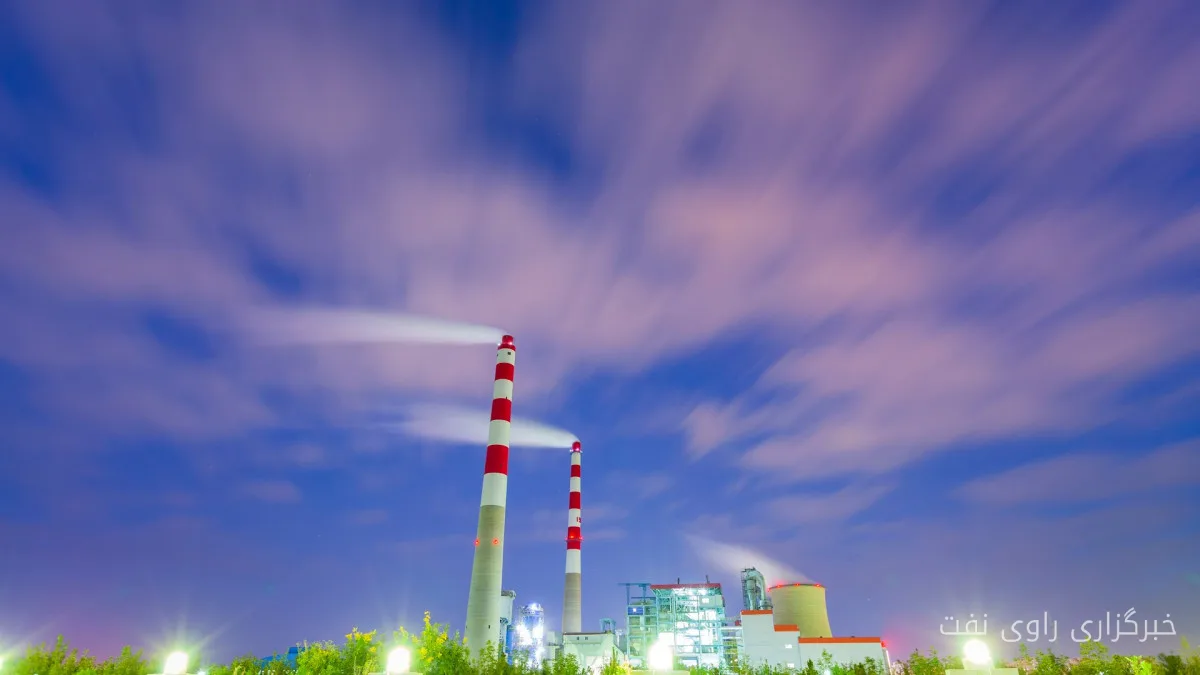
The Ruitan plant will be built on the site of an existing coal power plant called Bajiao in Yantai. This new system is specifically designed to store excess energy produced by the coal power plant during low-demand times. Then, during peak demand times, this thermal energy will be used to supply the required electricity. Carbon dioxide is subjected to specific temperature and pressure conditions, exhibiting both liquid and gas behavior, which can be powered by a closed-loop system.
One of the main advantages of supercritical carbon dioxide units is that these plants are smaller than traditional units, do not require water, have higher electricity generation efficiency, and produce less carbon pollution. These features make these plants significantly more flexible and faster than traditional power plants.
As the largest and fastest-growing market for clean energy technologies in the world, China is currently developing and deploying innovative technologies in this field. Since 2000, Chinese companies have filed 5 percent of global patent applications in clean energy, and this figure has increased to 75 percent by 2022. These advancements reflect China's dominance in the renewable energy landscape.
Challenges and Future of Energy Technologies
While the construction of the Ruitan plant cannot directly compete with battery energy storage systems, it is part of China's comprehensive approach to energy technologies that helps the country maintain its edge in this field. In recent years, China has accounted for more than half of the $1.1 trillion global investment in energy, and the country is recognized as a key player in global clean energy markets.
Given the intense focus on the production and development of clean energy in China, other countries have become heavily reliant on Chinese technologies to build their clean energy infrastructures. This situation could pose significant challenges for countries like the United States, which are trying to distance themselves from China's energy supply chain.
Read more: National Iranian Oil Company Develops Knowledge to Production Chain · Increase in Soybean Purchases by China Strengthens U.S. Export Outlook