Central Province Gas Company, in collaboration with contractor companies, aims to optimize gas consumption in the province. Mohammad Reza Samiei, the CEO of Central Province Gas Company, announced that five contractor companies have signed contracts in this regard, two of which are dedicated to optimizing energy consumption in the residential sector and promoting efficient consumption strategies.
Energy Consumption Management Programs
Samiei pointed out that interaction with production units, especially greenhouses, is a priority in energy consumption management programs in the province. Given the industrial position of Central Province, contractor companies are working to ensure that gas consumption in greenhouses reaches optimal levels and to prevent disruptions in gas supply to other sectors by providing technical consultations and monitoring equipment.
Continuous Monitoring and Supervision
Samiei also referred to the measures taken to control gas consumption in offices and schools. In this regard, the gas consumption of these centers is continuously monitored to ensure that the ambient temperature during working hours remains within standard limits and to prevent unnecessary consumption. Last year, smart kits were installed on the gas meters of about 500 high-consumption subscribers, most of whom are administrative subscribers.
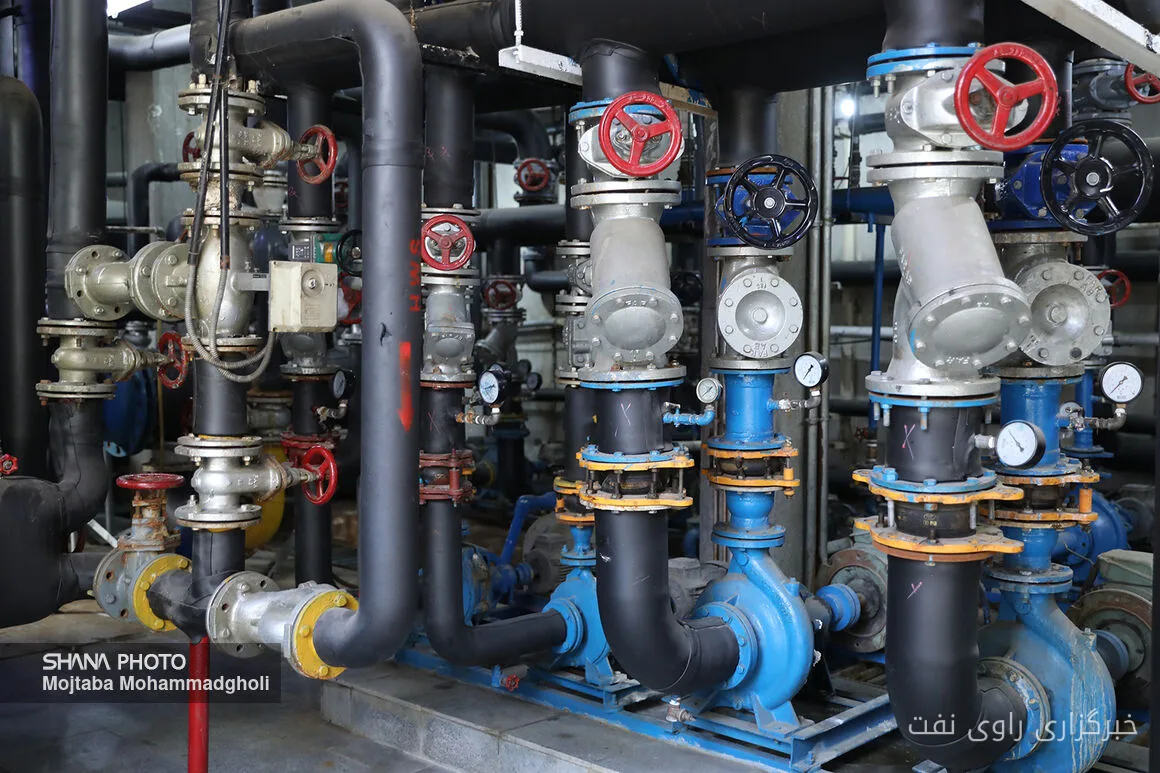
He also announced the implementation of a boiler optimization plan, stating that in this plan, the boiler rooms of subscribers using central heating systems will be optimized free of charge. The services provided include descaling, equipment repair, insulation, and burner adjustment. Additionally, smart systems will be installed in the optimized boiler rooms to manage and control the performance of heating systems more effectively.
Statistics on Boiler Optimization and Smart Systems
The CEO of Central Province Gas Company stated that by the end of September, about 4,800 boiler rooms in the province have been optimized, noting that nearly 9,000 boiler rooms have been identified, over 50% of which have been optimized. The installation of smart systems is also on the agenda, with approximately 75 smart systems installed so far.
In conclusion, Samiei highlighted the benefits of smart technology, stating that these systems, by recording information and monitoring consumption, enable the evaluation of heating equipment performance and the identification of opportunities for reducing consumption. Additionally, to encourage subscribers to adhere to consumption patterns, programs have been devised to provide information about consumption levels and savings.



