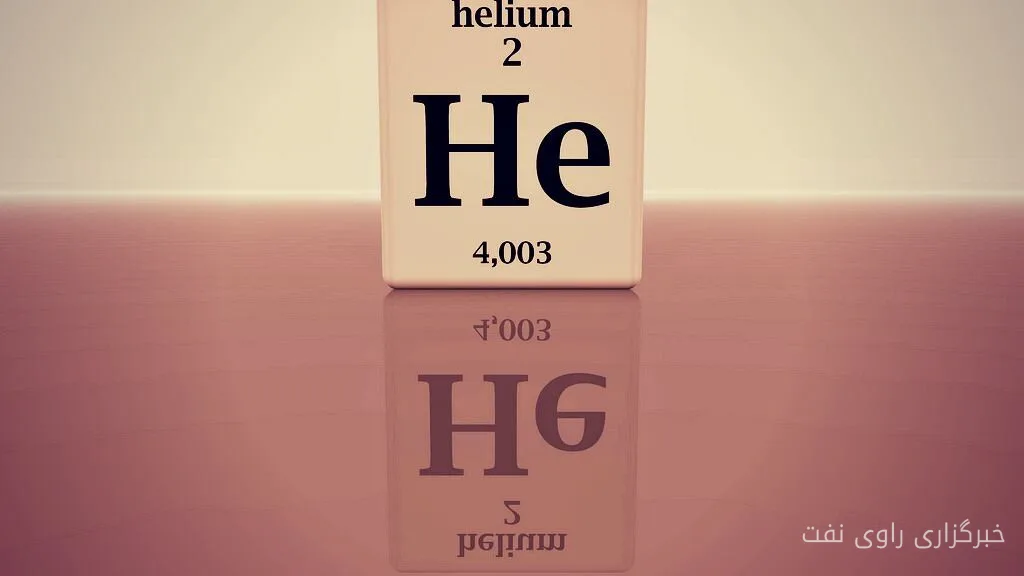
Canada, as the largest producer of civilian Helium-3 in the world, is in a unique position to store and sell this rare gas. Helium-3 is a rare isotope of helium that has applications in various fields, including quantum computing, deep cryogenics, and border security. This gas is produced as a byproduct of tritium removal in CANDU nuclear reactors.
Helium-3 Production in Canada
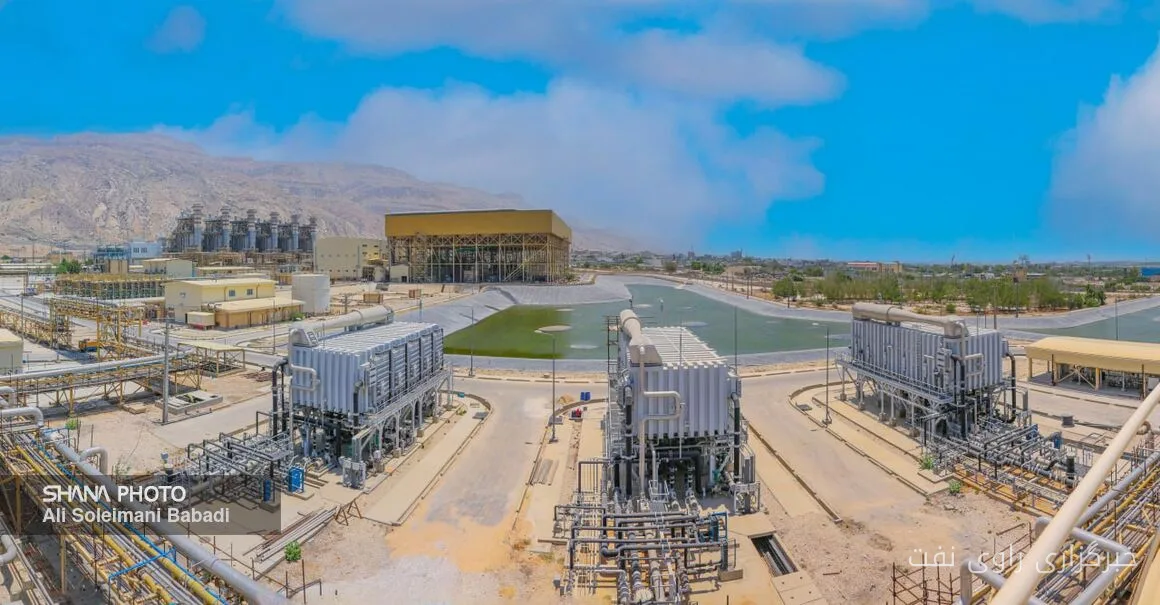
Canada possesses 17 CANDU reactors out of 26 CANDU reactors worldwide, which produce Helium-3 using natural, unenriched uranium. These reactors can generate energy using alternative fuels such as recycled uranium, MOX oxide blend, and tritium. These features help reduce fuel cycle costs and make Canada a key player in Helium-3 production.
Global Demand for Helium-3
Global demand for Helium-3 is rapidly increasing, especially in the field of quantum computing, which is recognized as a key component of national security and economic sovereignty. Various countries are seeking to ensure their quantum superiority, leading to increased investments in technologies related to quantum security and post-quantum cryptography.
While the United States, Russia, and China primarily produce Helium-3 as a byproduct of nuclear bombs, Canada, as a civilian producer of this gas, holds a unique position in the global market. The country produces about 15 to 20 kilograms of Helium-3 each year, which is relatively negligible compared to global Helium-3 production. In contrast, the Moon is estimated to contain about 1 to 3 million tons of Helium-3 as a potential source.
Recent investments by various companies in extracting Helium-3 from the Moon highlight the importance of this gas in the near future. One such company, Interlune, is seeking to extract Helium-3 and hydrogen from the lunar surface by 2028, having secured a $6.9 million contract from NASA. This initiative not only aids in Helium-3 production but could also significantly contribute to energy security and advanced technologies in the future.