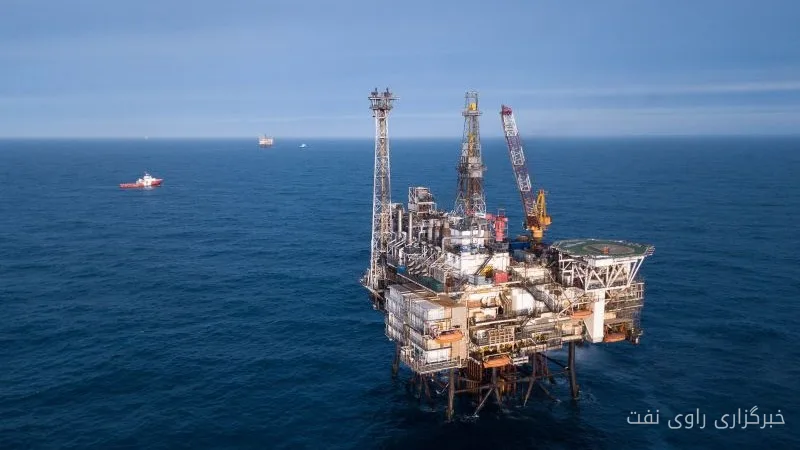
Britain is considering an important and key decision regarding North Sea oil, which involves a $47 billion investment. This plan, designed to develop the oil fields in this region, could significantly affect Britain's energy supply as well as changes in the global oil market.
Details of the Oil Field Development Plan
This plan includes the development of oil fields such as the "Columbus" and "Jackdaw" fields. The Columbus field, with a daily production capacity of about 30,000 barrels of oil, and the Jackdaw field, with a capacity of 20,000 barrels per day, are among the key fields in this project. These fields have high potential for increased oil production due to their geographical location and existing infrastructure.
Read more: Iran Commodity Exchange Innovation Center with a capacity of 456,000 tons is being launched
Economic and Environmental Implications
The development of these fields could help increase Britain's oil revenues and meet domestic energy needs. However, this action could also have significant environmental consequences. Critics of the plan believe that further development of oil fields in the North Sea could exacerbate climate change and harm marine ecosystems. Therefore, there is a need for a more thorough assessment of the environmental impacts of this project.
Additionally, this plan comes at a time when global oil prices are highly volatile and the energy market is undergoing major changes. Britain is striving to protect itself from fluctuations in the global oil market by increasing oil production capacity and achieving greater energy independence.
Read more: Oil prices rise following Houthi attacks and tensions in the Strait of Hormuz · Positive performance of oil companies in the Permian field and future forecasts



