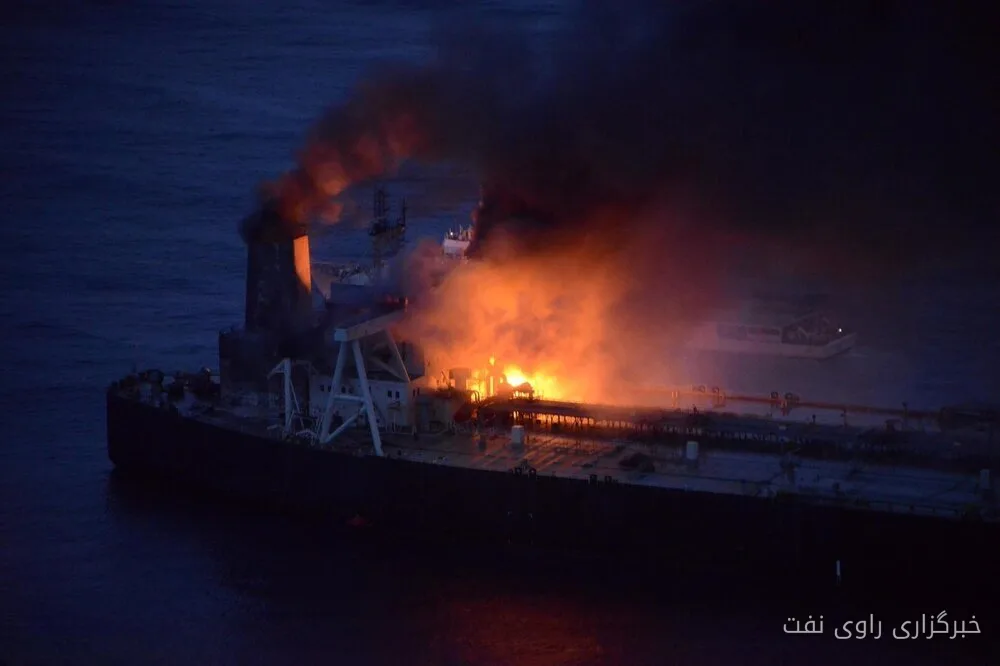
Brent oil traded at $106.03 per barrel on Wednesday, October 22. This price increase followed the targeting of two vessels in the Strait of Hormuz and reports of new strategies by Iran to counter ships passing through this strategic waterway. These developments have raised serious concerns about disruptions in global oil supply.
Iran's Use of New Tactics
Iranian officials have announced that Tehran is employing new methods to target ships. According to these officials, these actions aim to maintain oil prices at high levels and influence the upcoming U.S. midterm elections. Brent crude futures saw an increase of 34 cents, or 0.3 percent, by 6:30 GMT. West Texas Intermediate crude also rose by 28 cents, or 0.3 percent, trading at $94.42.
Read more: Completion of Major Repairs at Bidboland Refinery for Gas Production Stability
Attacks on Vessels and Their Impact on the Oil Market
The UK Maritime Trade Operations reported that a container ship and an oil tanker were targeted by projectiles of unknown origin in the Strait of Hormuz. One Iranian official stated that Iran began using new aggressive tactics against vessels deemed to violate the country's declared restrictions about 10 days ago. This approach has directly led to an increase in attacks on these ships.
Priyanka Sachdeva, head of market analysis at Philip Nova, commented on these developments, saying: "The explicit declaration of efforts to undermine U.S. actions aimed at controlling oil prices raises questions about the real objectives of the so-called peace negotiations." She also emphasized that rising oil prices could exert significant pressure on the global economy, and Iran might leverage this strategic position as a pressure tactic.
Meanwhile, the Saudi Ministry of Energy has announced that the Houthis in Yemen attacked an office building belonging to the state oil company Aramco in Dhahran. This attack resulted in a limited fire and further heightened concerns about oil supply security.
Given these developments, the potential increase in Russian diesel exports could alleviate some of the supply constraints in the market and prevent severe price fluctuations in either direction. At the same time, West Texas Intermediate crude is expected to trade in the range of $90 to $100 per barrel.
This comes as Saudi Arabia increased its oil production last month despite disruptions in oil shipments due to the U.S.-Iran war. This action has led to a significant rise in production from the OPEC+ coalition, which includes the Organization of the Petroleum Exporting Countries and its allies. The Russian government has also stated that it does not see a direct link between peace negotiations with Ukraine and its agreement to export diesel to the U.S.
Overall, escalating tensions in the Strait of Hormuz and regional conflicts have increased concerns about oil supply security. However, the potential rise in Russian diesel exports and increased OPEC+ production could somewhat alleviate pressure on the market.
Read more: Increase in Natural Gas Prices Due to Improved LNG Supply and Positive Storage Forecasts · Agreement Between Donald Trump and Vladimir Putin for the Supply of Russian Diesel to the U.S.