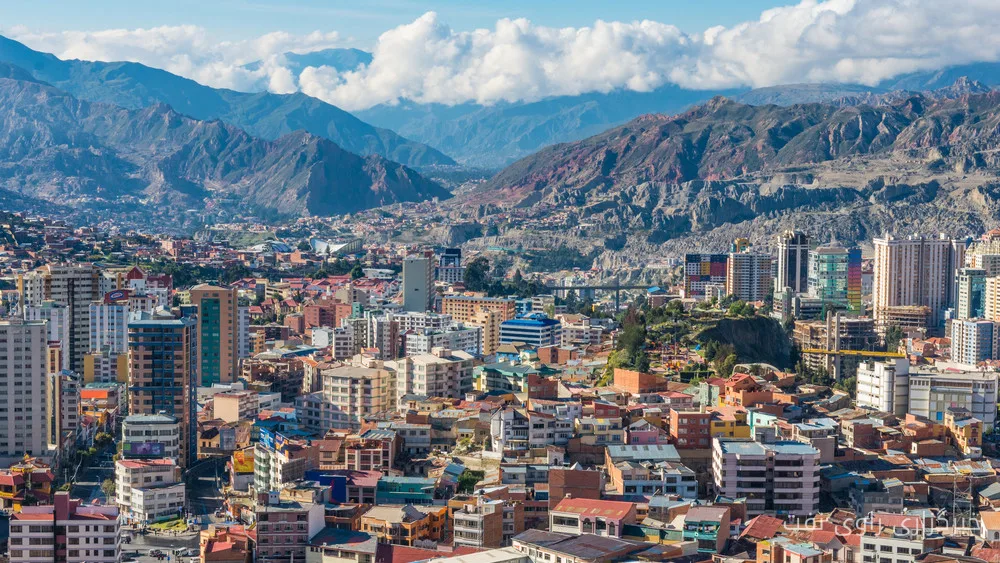
Bolivia is experiencing a serious fuel crisis due to the decline in natural gas reserves and rising energy prices caused by the war in Iran. This crisis is the result of years of insufficient investment in the country's gas industry, which has significantly impacted its economy.
History and Current Situation
Since 2006, the former government of Bolivia, led by Evo Morales, took control of the fossil fuel industry and renegotiated contracts with international oil and gas companies. Although the revenues from these contracts were allocated to investment in social programs and fuel subsidies, in recent years, gas reserves have declined, and no successful discoveries have occurred. As of April 2023, Bolivia has only 3.7 trillion cubic feet of proven gas reserves.
Read more: Marco Rubio meets with Central Asian foreign ministers in Uzbekistan
Challenges and Consequences
The decline in gas production has led to a 60% decrease in exports over the past decade. Meanwhile, natural gas constitutes about 70% of the country's electricity mix. Given the fuel shortage and rising prices of imported goods, Bolivia's economy is under significant pressure. President Rodrigo Paz warned that "international prices compel us to make complex decisions." In September, the Bolivian Congress approved a $1.9 billion loan from the International Monetary Fund, which requires the implementation of strict austerity measures.
This loan allows the government to reduce fuel subsidies and significantly cut public spending. However, rising fuel prices and reduced support for vulnerable segments of society have led to social discontent and widespread protests. According to Luis Fernando Romero, former president of the Bolivian Economists Association, "We did not take advantage of a historic opportunity that brought in substantial revenue."
The Bolivian government also announced in September that it would triple the budget for purchasing refined fuel to address the fuel shortage. These measures, along with the authorization for private sector fuel imports, indicate efforts to alleviate pressure on domestic resources. However, experts warn that Bolivia may become a net importer of fossil gas by 2030.
Read more: Decrease in adherence to shipping schedules on the route from Asia to Europe · Decrease in heating demand affected natural gas prices



