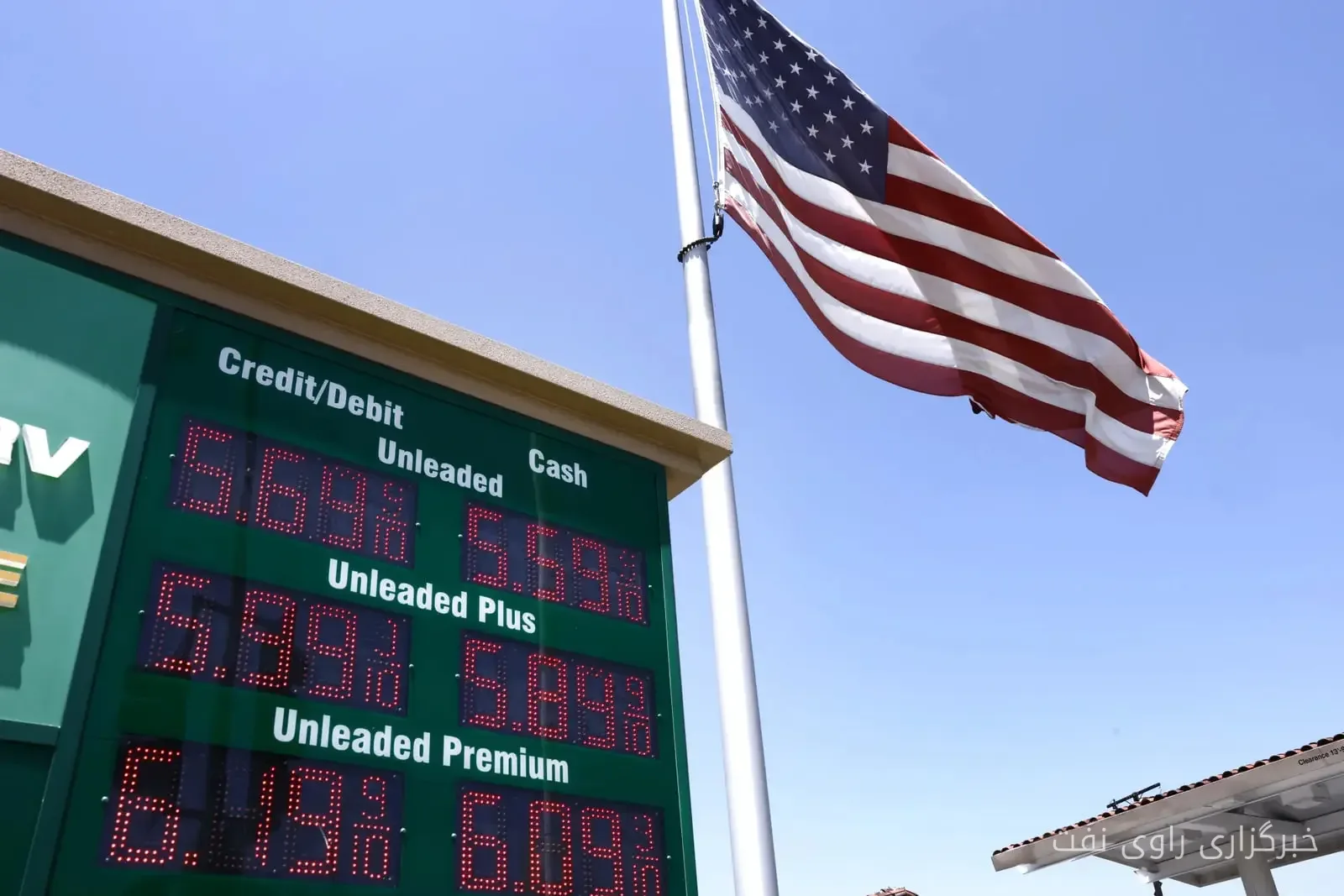
Bloomberg's analysis indicates that the Hormuz Strait crisis has had profound effects on the global oil market. While the price of Canadian oil in the U.S. market has reached about $70 per barrel, the price of Omani oil reaching southern China is nearing $150. This $80 price difference reflects serious disruptions in the oil supply chain and the impacts of the Iran war on global markets.
Impact of Increased Transportation Costs
Javier Blas, Bloomberg's energy columnist, noted in a memo that the cost of transporting oil tankers has increased from less than three dollars before the war to about $20 to $25. Therefore, if the price difference between markets is less than the transportation cost, cheap oil will not be transferred to the expensive market. This situation has led to a reduction in Canadian oil exports to distant markets and forced producers to discount for sales in the North American market.
Read more: Iran's Oil Reserves Decrease to 866,000 Barrels Following U.S. Maritime Sanctions
Relative Advantage for American Refineries
Heavy oil benchmark Canada, "Western Canadian Select," is currently trading about $30 lower than other benchmarks. It is expected that by 2026, this oil will be sold at a discount of nearly $30 compared to the U.S. benchmark oil. This situation allows American refineries that can process heavy oil to purchase cheaper oil. According to statistics, 75% of U.S. crude oil imports come from nearby countries like Canada, Mexico, and Venezuela.
The current cost of oil supply in the U.S. has dropped to less than $100 per barrel, and compared to the cost of $120 to $160 for buyers in other parts of the world, this relative advantage becomes significantly apparent. In Europe, refineries pay more for oil from the nearest sources due to the high transportation costs from distant regions.
Ultimately, the Hormuz Strait crisis and rising global energy costs have contributed to forming a relative advantage for the U.S. oil industry. This advantage may benefit American refineries, but it could also put pressure on other consuming countries and oil-dependent economies.
Read more: Iranian Oil Has Ended in the Waters of Southeast Asia · VLCC Rates Decrease Last Week Under Market Pressure



