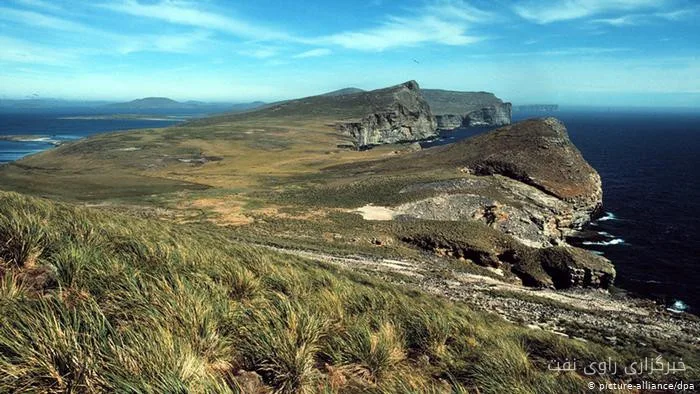
Argentina has shifted its oil dispute over the Falklands from threats to court and has requested the International Tribunal for the Law of the Sea to stop the development of the Sea Lion oil project, the first commercial oil project in the Falkland Islands.
Details of the Sea Lion Project
The Argentine government submitted a request for provisional measures to the International Tribunal for the Law of the Sea on Tuesday to halt Britain's authorized hydrocarbon activities in the northern Falkland Basin. The Sea Lion project, with a capacity of 315 million barrels, is managed by Navitas Petroleum and Rockhopper Exploration. These companies reached a final investment decision (FID) last December, aiming to produce first oil in 2028. Peak production is expected to reach around 50,000 barrels per day.
Read more: The Ministry of Oil has announced a new pricing formula for feedstock and petroleum products
Britain's Response and Legal Implications
The British government has stated that the project can continue and Argentina's registration does not invalidate the licenses issued by the Falkland Islands government, and there is no need to halt oil development. Britain will participate in the tribunal proceedings and is also preparing legal measures to protect companies against Argentine sanctions and other domestic enforcement actions.
Argentina's pressures have increased in recent weeks. Javier Milei, the President of Argentina, warned in September that if work on Sea Lion does not stop, Argentina will take Britain to the maritime court. His government has also proposed harsher penalties for companies and individuals who operate in oil development around the islands without Argentine authorization.
These pressures have also reached the oil services industry. Halliburton announced earlier this month that after contacting Argentine officials about the potential for criminal, civil, and regulatory actions, it will not participate in the Sea Lion project or other oil and gas developments around the Falklands. However, Navitas and Rockhopper emphasize their commitment to continue development.
The Sea Lion project has been trying to move from the discovery phase to production for over 15 years, with high development costs and political risks complicating the project repeatedly. Now these companies have financing, project approval, and a target production date in 2028.
Read more: Significant increase in productivity of natural gas wells in the Montney field in Canada · Mustafa Mirsalim's statements about oil and its belonging to God



