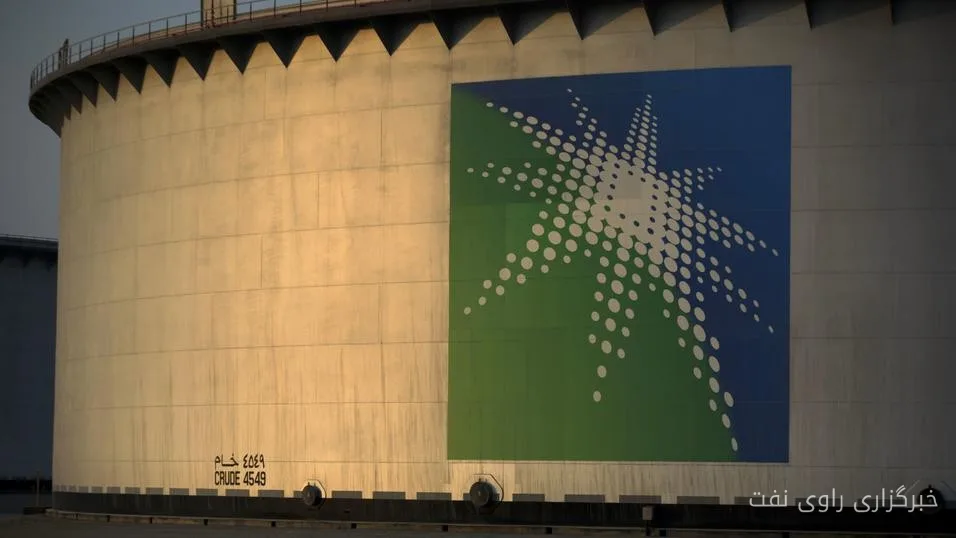
Saudi Aramco has informed its regular customers in Europe that no Saudi crude oil will be delivered to them in October. This decision has been made as Saudi Arabia seeks to reclaim about 60 million barrels of oil through the Gulf, following damage to the country's East-West pipeline.
Details of the Export Halt to Europe
Reports indicate that at least two European refineries have officially announced that their oil allocations for October have reached zero. Individuals familiar with this decision acknowledge that it affects all permanent buyers of Saudi oil in Europe. Although Aramco has managed to resume some of the oil that had been halted due to damage to the East-West pipeline, Europe finds itself in a difficult situation.
Damage to the East-West Pipeline
The East-West pipeline, which transported between 4 to 5 million barrels of oil daily from Saudi Arabia to the port of Yanbu, was designed to bypass the Strait of Hormuz. Crude oil produced from Yanbu could be transferred via Egypt's SUMED system to the port of Sidi Kerir in the Mediterranean Sea, providing access to European refineries. However, an attack on this pipeline has halted the flow of oil, and Europe is now trying to find new sources to meet its oil needs.
During this time, Aramco has sold about 60 million barrels of oil from the Gulf export terminal at Ras Tanura for loading in September and October. These barrels will be transported through the Strait of Hormuz and then transferred ship-to-ship near Sohar, Oman. This plan will return about 1 to 1.5 million barrels per day of Saudi Gulf oil exports to the market, primarily for buyers in China, South Korea, India, and Japan, specifically excluding Europe.
Impact on the Oil Market
The oil market reacted quickly to these developments. Brent crude prices reached around $104.30 on Friday, and WTI approached $102, significantly lower than Brent's peak price of over $108 earlier this week. Europe is suffering from this situation, as barrels of oil moving west must pass through the Strait of Hormuz and the Red Sea, where transportation has also been affected by attacks, or they must spend nearly five weeks circumventing Africa. Brent crude prices, which are the benchmark for physical crude oil in Europe, exceeded $130 this week.
The Orlen refinery in Poland is currently sourcing oil from the North Sea and seeking crude oil from the United States and Kazakhstan, after Saudi oil shipments were delayed or canceled in September. U.S. Energy Secretary Chris Wright announced on Tuesday that oil should flow through the East-West pipeline in the coming days, but Aramco has targeted restoring about half of its capacity within the next few days, while full capacity may take another six weeks to achieve.