Iran's oil industry, as one of the main pillars of the country's economy, is dependent on vast underground wealth. However, the main question is what impact this wealth has on employees and retirees? A look at the salaries, welfare, and future of retirees in the oil industry shows that financial and social support must be at the forefront of attention.
The Importance of Human Resources in the Oil Industry
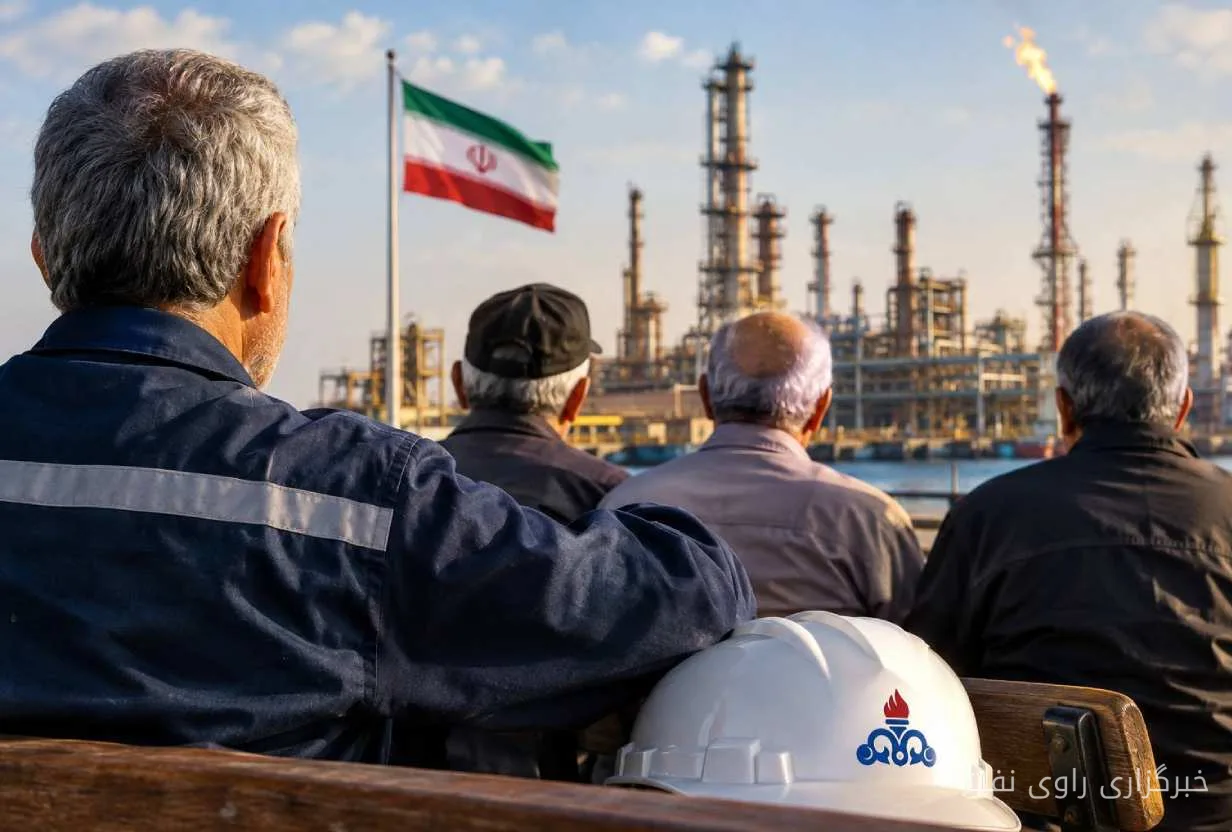
When assessing the oil wealth of countries, production, exports, and foreign income are usually the focus. However, human resources, as a key asset, receive less attention. Employees who maintain the energy production chain in challenging and high-risk operational environments, and retirees who, with their knowledge and experience, are still part of the country's strategic capital.
Global Experiences in Compensation
Experiences from companies like Saudi Aramco and ADNOC show that compensation in the energy industry cannot be measured solely by monthly salaries. For example, Aramco calculates its retirement supplemental income benefits based on 2% of the average salary of the last two years, multiplied by the number of years of eligible service. This plan is designed alongside government social security benefits.
In the UAE, ADNOC reported its workforce to be 44,384 employees in its 2024 sustainability report and outlined a framework for "comprehensive rewards and benefits." This framework includes fixed and variable payments, life insurance, healthcare services, and retirement plans. In such a scale, human resource policies must be considered as part of the management and preservation system of human capital.
Welfare Challenges in Iran's Oil Industry
Iran's oil industry has a long history of providing welfare and retirement services, but the main challenge is the adequacy and effectiveness of these services in the current economic conditions. The existence of health insurance, housing facilities, or retirement pensions alone cannot guarantee economic security. The main criterion is how much these supports maintain the quality of life for employees and retirees.
This issue is particularly important for workers in operational areas. Harsh working conditions, long shifts, and separation from family create real costs that must be considered in the compensation system. Therefore, the payment policy in the oil industry must take into account the existing differences in job nature, level of responsibility, and operational conditions.
The Necessity of Knowledge Preservation and Transfer
Retirement does not mean the end of the economic and specialized value of human resources. Designing voluntary mechanisms for experience transfer, training young personnel, and documenting knowledge can prevent the waste of this capital. Strengthening welfare and retirement supports must be accompanied by the financial sustainability of the funds to ensure that today's problems are not passed on to future generations.
It is suggested that an "Equity Index of Human Capital in the Energy Industry" be developed and published. This index could assess real purchasing power, adequacy of healthcare coverage, and the real value of welfare benefits. Establishing a baseline and regularly publishing results would allow for the identification of gaps and prioritization of reforms.
Ultimately, energy governance depends on the country's ability to preserve and develop human capital. Employees and retirees in the oil industry should not only be viewed within the framework of current costs but should also be seen as part of the productive capacity and technical knowledge of Iran's energy industry.