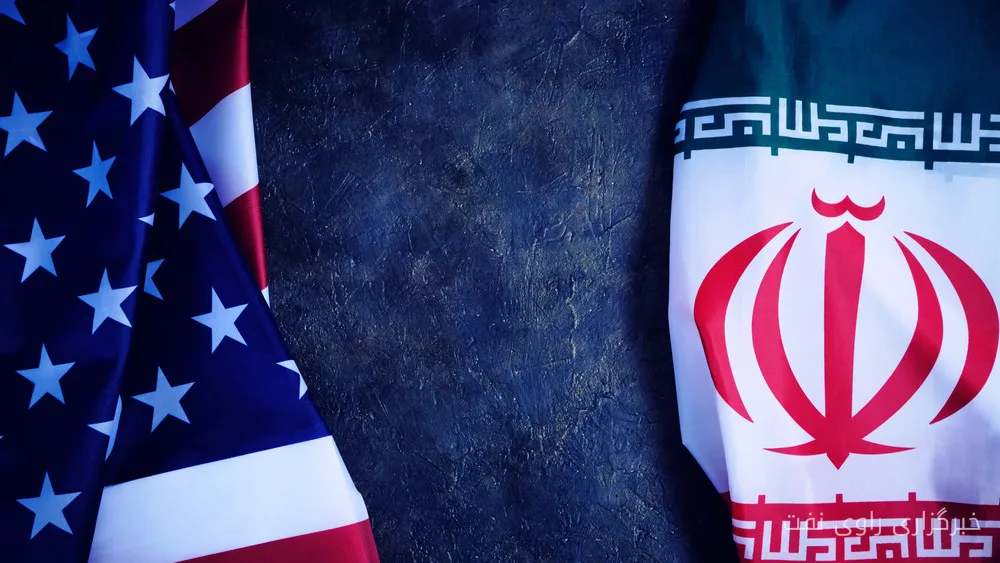
The decisive victory of the Democrats in the U.S. midterm elections on November 3, 2023, has led to predictions about possible changes in the foreign policy of this country. However, Iranian officials believe that Iran will still remain at the center of Donald Trump's attention, even with his weakened position as a result of this election.
Reactions of Iranian Officials to Election Results
After the announcement of the results, the Supreme Leader, Ayatollah Mojtaba Khamenei, stated on November 4 that anyone expecting fundamental changes in U.S. policies solely due to a change in the ruling party is gravely mistaken. He warned that even the slightest inclination to surrender to the United States could have dangerous consequences.
Khamenei added that while the United States may see the end of its hegemony as distant, Iran considers it imminent. These statements reflect Iran's firm stance against external pressures.
Experts' Analysis on the Future of Iran-U.S. Relations
Hamidreza Azizi, a senior analyst on Iran at the International Crisis Group based in Brussels, believes that the results of this election are seen as a victory for the Islamic Republic of Iran and a confirmation of its uncompromising approach. He predicts that these results will lead to a hardening of Iran's position and will strengthen Tehran's main demands from the U.S., including the lifting of sanctions.
Azizi warns that this position could increase the risk of new conflict, especially if Trump decides that he has nothing to lose and seeks foreign successes.
Meanwhile, Damon Golriz, a lecturer at The Hague University, points out that Iran may decide to wait for the end of Trump's term and seek an agreement that could be feasible with a future U.S. government it trusts more.
It seems that Iran, considering the experience of the 2015 nuclear agreement during Obama's era and serious diplomacy during Biden's term, has concluded that it should refrain from making major concessions to Trump.
Nevertheless, Golriz warns that military attacks cannot solve the problems arising from Iran's nuclear program and the crisis in the Strait of Hormuz, and serious and direct negotiations are needed to achieve a sustainable solution.
Ultimately, given the ongoing internal pressures on Trump and his assessment of the Republican Party's position, the future of Iran-U.S. relations will be heavily dependent on developments in Washington.