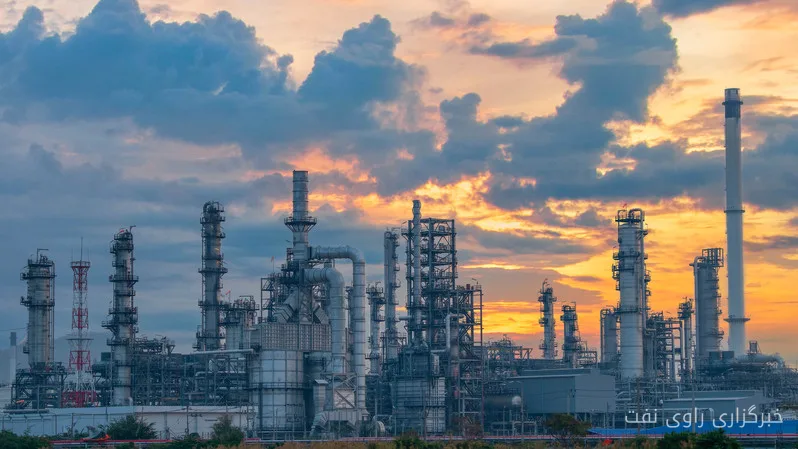
The diesel export ban in the United States is being considered due to high diesel prices. This action may help increase domestic diesel supply and reduce pressure on farmers, transporters, and consumers. President Donald Trump has endorsed the idea, stating, "I have said let's not send diesel abroad." However, this ban may have deeper consequences than it appears.
Diesel Production and Exports in the United States
The United States is currently the largest exporter of diesel in the world, with diesel exports averaging about 1.5 million barrels per day this year. The export ban could lead to lower diesel prices in some areas of the United States, especially along the Gulf Coast where most of the exported diesel is produced. However, this ban only changes the distribution location of existing barrels and does not actually increase diesel production.
In 2025, the United States exported an average of about 1.27 million barrels per day of distillate fuel. Mexico has been the largest destination for these exports, receiving about 220,000 barrels per day of diesel from the United States. However, if diesel exports were to suddenly stop, diesel prices in foreign markets could rise, which could impact production and transportation costs in the United States.
Economic Consequences for Agriculture and Food Production
The agricultural industry is particularly concerned about decreasing diesel prices, as diesel is the primary energy source for agricultural equipment and product transportation. High diesel prices during the harvest season put significant pressure on farmers. In 2025, the United States imported about $43.8 billion worth of agricultural products from Mexico, which accounts for about 21 percent of total agricultural imports in the United States.
If Mexico is forced to replace American diesel with higher-priced alternatives, production costs for farmers and transporters will increase. This rise in costs could ultimately lead to higher prices for imported food in the United States.
Furthermore, if high fuel and fertilizer prices persist, they may influence farmers' planting decisions. The Food and Agriculture Organization has already warned about the risks posed by high energy and fertilizer costs.
Overall, while the diesel export ban may help reduce domestic prices, due to the complex links between global markets, this price reduction may only be temporary and could ultimately lead to increased production costs and food prices.



