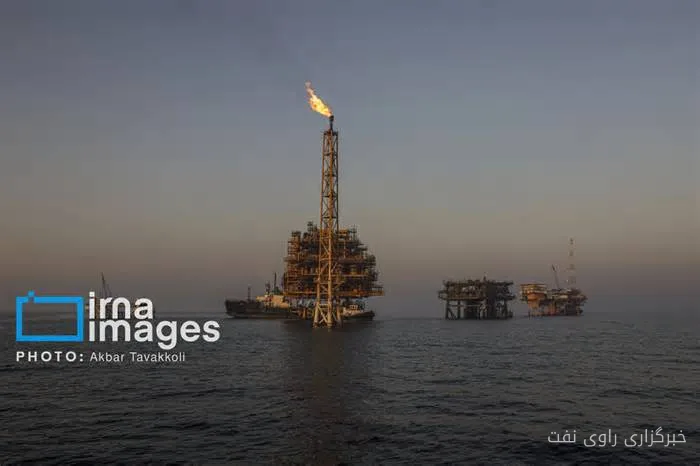
Non-Productive Time (NPT) is one of the key metrics in the oil and drilling industry that directly affects productivity and operational costs. In a comprehensive study conducted in 2026 on 69 rigs and 279 offshore wells, it was found that NPT accounts for an average of 8.7% of the total operational time of rigs. In other words, this amount of non-productive time is equivalent to 37,866 hours and approximately 370 million dollars in financial risk.
Main Causes of Non-Productive Time
One interesting point about NPT is its main causes, especially waiting for equipment and parts. In a study conducted on a well in southwestern Iran, 42% of non-productive time was reported to be due to equipment failure or waiting for surface tools. This means that part of the time and costs of rigs is lost not only underground but also in the supply chain and maintenance.
Read more: GURU Organic Energy: Financial Results of Q3 2026 in the Spotlight
Implications of NPT for the Drilling Industry
The fundamental question raised here is what percentage of non-productive time do Iranian rigs lose due to lack of access to parts and equipment? Clarifying this number can help better understand the true costs of increasing oil production. In fact, part of the costs related to increasing oil production may be spent on preventing waste of resources and time behind the rigs rather than investing in new equipment.
Ultimately, a thorough analysis of NPT and its causes can lead to improved rig performance and reduced operational costs, which requires close collaboration between equipment suppliers, drilling companies, and regulatory bodies. It is essential to note that every hour of non-productive time can mean significant costs, and this should be seriously considered in future planning of the drilling industry.
Read more: Kamran Hakimnia; Released from Evin Prison but Cannot Leave Iran · Amazing Opportunities in the Fusion Energy Supply Chain with TypeOne Energy