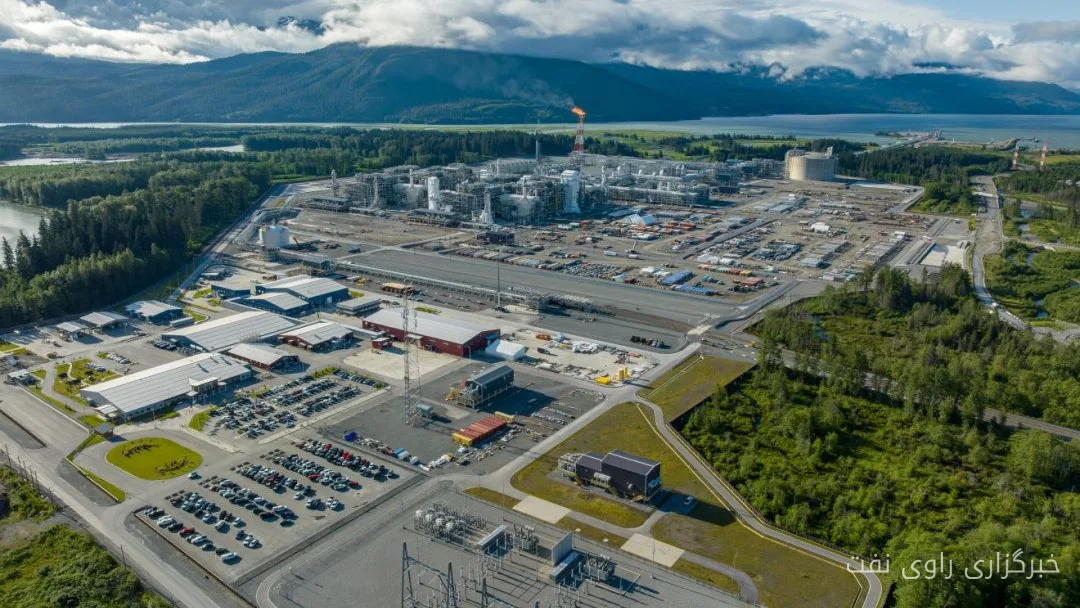
The supply of liquefied natural gas (LNG) for Europe is facing new challenges due to changes in the global energy market. With increasing demand for natural gas from European countries and existing production constraints, these countries are seeking new and sustainable sources for their energy supply.
Capacity and Existing Challenges
According to reports, the global production capacity of liquefied natural gas has significantly increased. Currently, the United States, with a production capacity of about 100 million tons per year, is considered the largest producer of liquefied natural gas in the world. In contrast, European countries, especially Germany and Italy, are seeking to secure this type of energy from various sources.
In 2022, Europe imported 80 billion cubic meters of liquefied natural gas, indicating the continent's increasing dependence on gas imports. However, analysts believe that this trend cannot continue sustainably and that existing capacities will be limited in the near future.
Impacts on the Energy Market
Given the growth in demand and production constraints, liquefied natural gas prices in the global market are highly volatile. Specifically, the price of this commodity reached its highest level in 2021, and analysts predict that this trend may repeat itself in the near future.
On the other hand, European countries are seeking to reduce their dependence on liquefied natural gas and are planning to increase the production of renewable energies such as wind and solar. This approach could be proposed as a long-term solution for sustainable energy supply in Europe.
Considering these developments, the future supply of liquefied natural gas for Europe is influenced by multiple factors. While this continent seeks to secure its energy from diverse sources, the existing challenges in the global market will remain a serious obstacle.
Read more: Shipowners' Club Announces Renewal of 2027 Contract · Natural Gas Futures Trade Affected by Poor Weather Conditions and War Threat in Iran