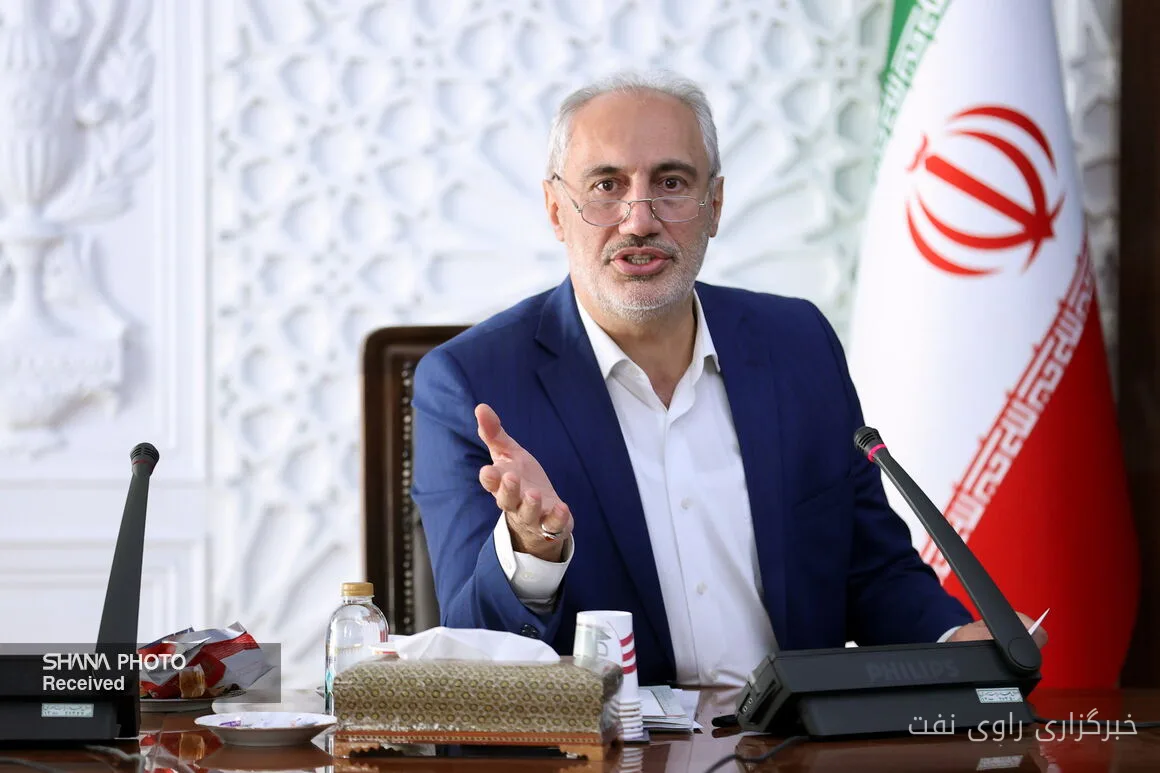
Ahmad Sarami, an energy expert, analyzed the state of Iran's economy and the existing challenges in the export sector during a program on Radio Economy. He highlighted the difficult economic conditions and international restrictions, stressing the importance of recognizing the role of exporters in the country's economy.
The Role of Iran's Geographical Position in Export Development
Sarami referred to Iran's geopolitical and strategic position, stating: "Iran's geographical location, especially in the Persian Gulf and the Strait of Hormuz, has created significant capacities for trade and export development." He added that to take advantage of these capacities, economic actors must seriously consider foreign markets.
Read more: Washington's New Plan for Central Asia Includes $12 Billion in Contracts
Challenges of Production and Export
This economic activist stated that the perception of meeting domestic market needs before exports can hinder the development of foreign trade, saying: "To effectively participate in international markets, export-oriented production must be considered as part of ongoing economic activities." Sarami also pointed out the existing problems in the petrochemical industry, stating: "Exporters in this sector face the approach that domestic industries' needs must be met first when purchasing and exporting products."
He emphasized the necessity of coordinating economic activities with global developments, adding that producers must keep up with technological changes and global economic trends and develop their activities accordingly. Sarami also highlighted the importance of financial instruments in international trade, stating: "Today, trade is difficult without access to banking tools and financial services. Limitations in accessing these facilities reduce exporters' competitive ability and make operating in international markets more challenging."
Ahmad Sarami continued: "Exporters need the necessary tools to compete globally, and merely having production capacity is not enough for success in foreign markets." Despite the challenges, he referred to the efforts and the costs borne by Iranian exporters in these conditions and emphasized the necessity of supporting them.
The Necessity of Supporting Exporters
Sarami noted: "In conditions where economic actors face banking restrictions and multiple trade barriers, appropriate supportive policies must be designed." He also referred to the proposal by the head of the Trade Development Organization regarding the participation of all government agencies in strengthening non-oil exports, stating: "Exports must be pursued as a continuous process with a clear roadmap. It is essential to accurately identify the country's export goals and capacities."
This energy expert concluded by stating that exporters face issues such as currency commitments, changes in regulations, and international restrictions in their activities, and these issues increase the necessity for re-evaluating the methods of supporting exports.
Read more: The Value of Second-Hand VLCCs Surpassed That of Newly Built Ships · Iran's Floating Crude Oil Reserves Will Run Out by Mid-October