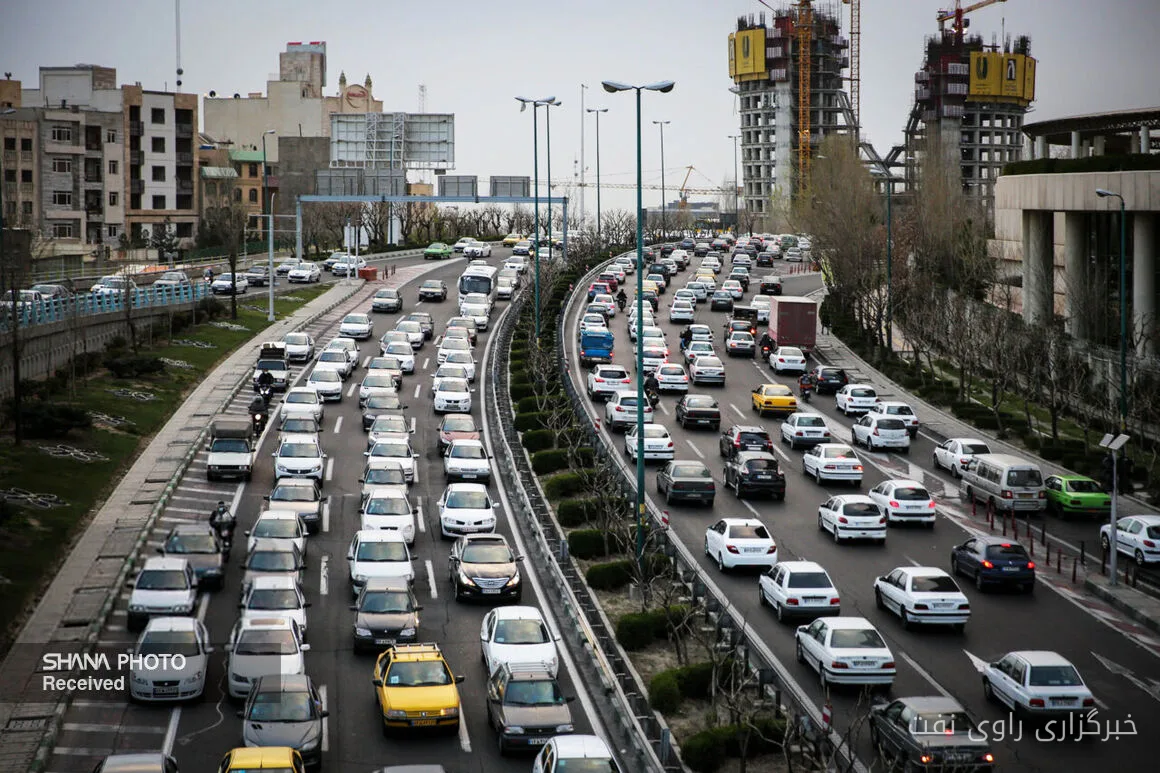
Recently, new changes in the gasoline rates for emergency cards at gas stations have been proposed, which could be considered a kind of earthquake in the country's fuel market. Given the rising costs of fuel production and distribution, officials intend to carry out the rate adjustment process in a way that benefits both the government and consumers.
Why is the adjustment of gasoline rates necessary?
The increase in oil prices in global markets and currency fluctuations indicate that it is time to make adjustments in the gasoline pricing system. Especially in the current conditions where economic pressures on citizens have increased, a review of gasoline rates could help improve the government's financial situation and also lead to more efficient use of fuel resources.
It seems that these adjustments will be made gradually and with consideration of social reactions. Some experts believe that if rates do not change, we may face more serious crises in the fuel sector. Therefore, creating a transparent and rational pricing system seems vital.
Possible consequences of the rate adjustment
With the adjustment of emergency card gasoline rates, we will likely see an increase in fuel prices at the community level, which may lead to dissatisfaction in the short term. However, in the long term, if these changes are managed correctly, they could lead to improved service quality and increased investment in the country's energy sector.
On the other hand, considering that the increase in fuel prices can also affect other goods and services, it remains to be seen whether the government intends to adopt supportive measures for vulnerable groups. This issue could ultimately influence household economic decision-making.