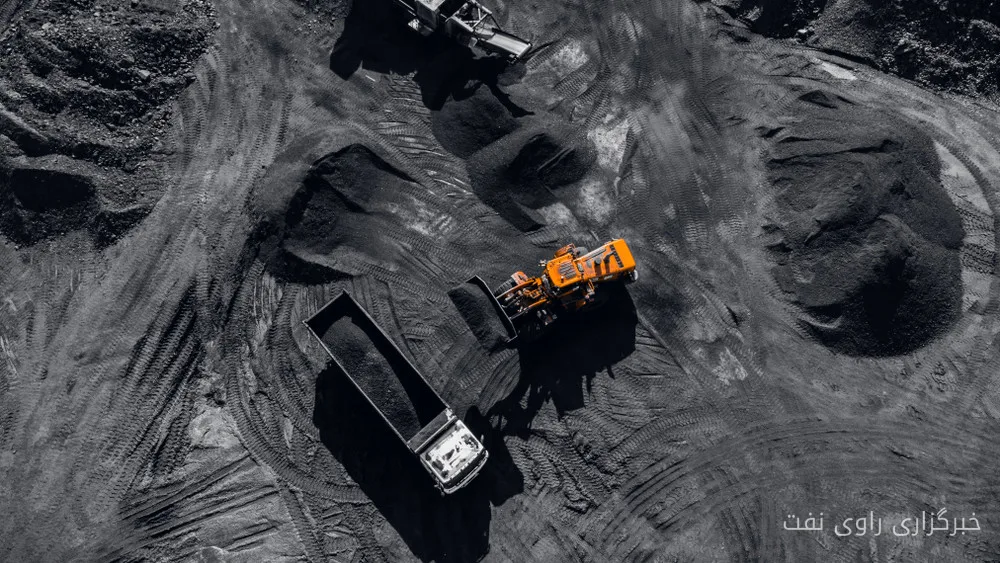
As the world's third-largest LNG buyer, South Korea has shifted to coal for electricity generation due to a sharp increase in LNG prices and supply shortages from the Middle East. The country, which had recently committed to reducing its dependence on fossil fuels, is now forced to change its approach due to the ongoing crisis and rising prices.
Increased Dependence on Coal and Nuclear Energy
The Minister of Environment, Energy and Environment of South Korea, Kim Sung-hwan, stated in an interview that the country must reduce gas consumption this winter and will therefore rely more on coal and nuclear energy for electricity generation. He added, "In the short term, we are in a situation where we must reduce LNG demand by any means necessary." According to him, this is inevitable, and the country must quickly move towards expanding renewable energy and more actively using nuclear and coal energy.
Read more: Ship recycling markets continue to stabilize
Replacing Coal for Gas
In April, coal-fired electricity generation in South Korea experienced a 40% increase compared to last year, marking the largest jump since August 2019. This comes as LNG prices have reached their highest level in four years, significantly raising electricity costs. Now, the South Korean government has turned to coal and nuclear energy as the main sources of electricity this winter instead of continuing to use natural gas.
The South Korean government has also recently announced plans to invest up to 1,000 trillion Korean won, equivalent to $747 billion, in renewable energy, increasing the use of electric vehicles, and reducing carbon emissions in the industry by 2035. These measures are designed to address concerns about energy security and compliance with global carbon regulations.
According to research, South Korea's annual fossil fuel imports for the entire energy sector are expected to reach $133 billion, which is nearly six times the country's annual debt payments and almost three times its defense spending. This situation could lead to serious challenges in energy and economic security.
Read more: Copper price drops to $6.50 per pound influenced by the Federal Reserve's interest rate hike · Uncertainty in Indonesia's thermal coal policy affects 2027 contracts



