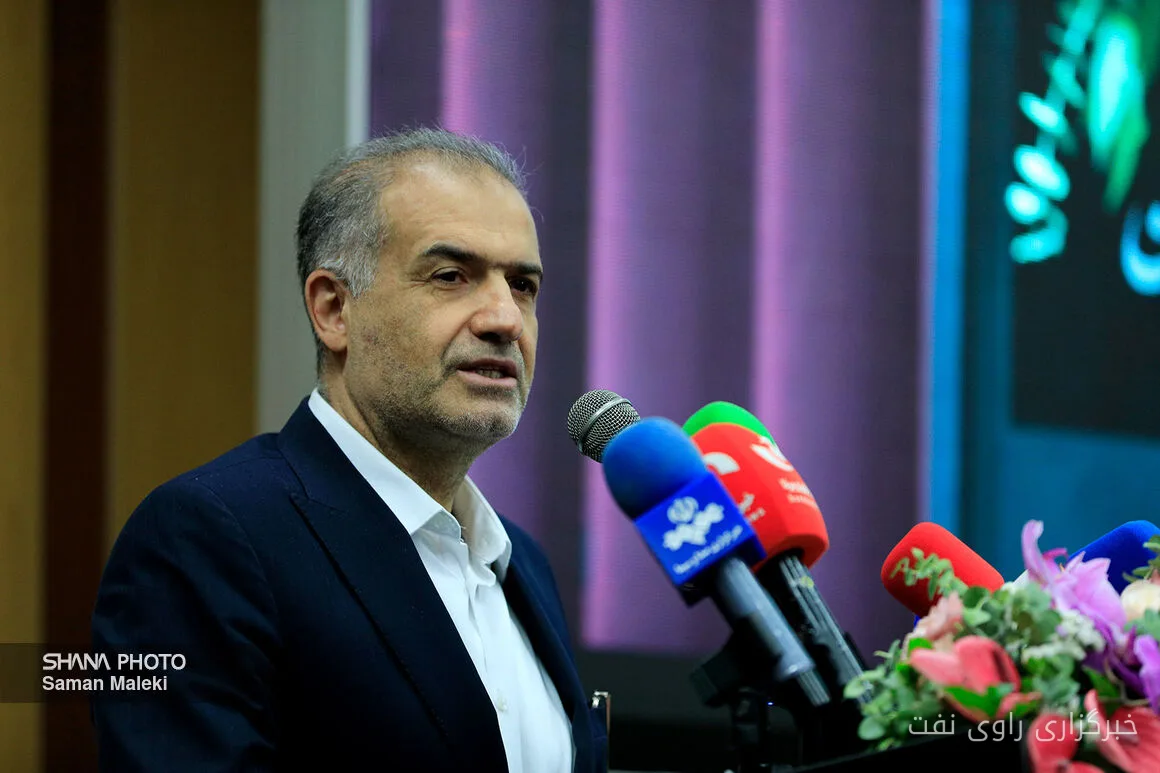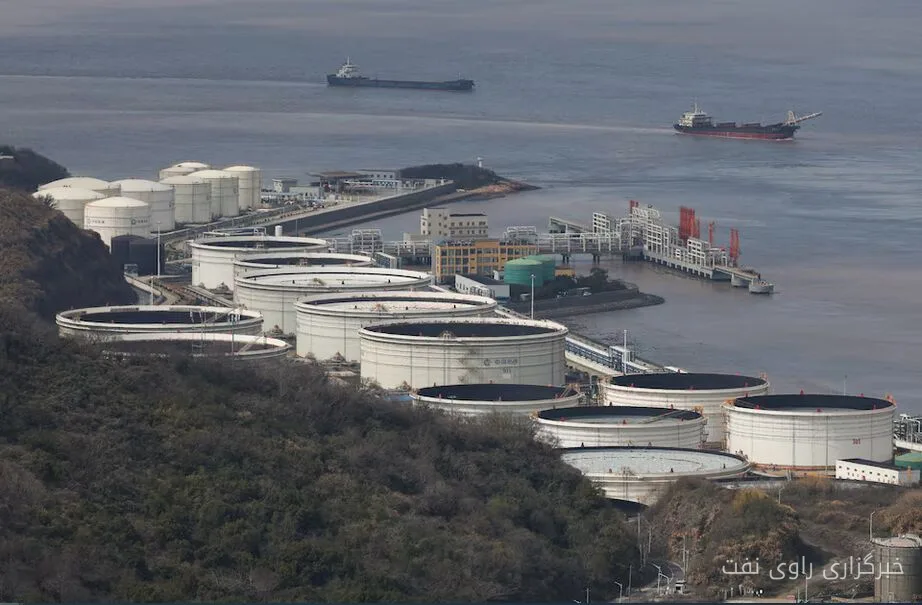
The Isfahan Oil Refinery plays a significant role in supplying the country's fuel by localizing about 90 percent of its equipment. Gholamreza Bagheri Dizaj, the CEO of this refinery, discussed the details of this process and developmental plans in an interview with reporters.
Third Place in Gasoline Production in the Country
The Isfahan Oil Refinery, as the third-largest gasoline producer among crude oil refineries in the country, has an average daily production of 12 million liters of gasoline. This facility, with a capacity of 430,000 barrels per day, accounts for about 25 percent of the country's fuel production, and all of its gasoline production meets Euro 4 standards.
Read more: Oil market developments influenced by Hormuz risk and changes in China's consumption
Development Plans and Fuel Quality Improvement
Bagheri Dizaj referred to the ongoing development plans and mentioned the implementation of strategic projects aimed at addressing energy imbalance and improving fuel quality. He emphasized that by utilizing domestic resources and the capabilities of shareholders, the timeline for executing infrastructure projects will be reduced.
The CEO of the Isfahan Refinery also pointed out the challenges in improving product quality, stating: "This facility has prioritized operational needs and has simultaneously planned the construction of steam, water, and gas production units alongside the main units. This action will contribute to creating sustainable infrastructure and improving environmental indicators."
Increase in Quality Diesel Production
One of the key focuses of the refinery's development plans is the enhancement of the quality of produced diesel. Considering that about 25 percent of the country's gas consumption capacity is utilized in power generation and industries, this refinery aims to produce diesel that meets standards to replace natural gas in industries.
With the launch of the RFCC unit at the Isfahan refinery, 8 million liters of gasoline and 2 million liters of quality diesel will be added to the country's fuel basket daily. This action will not only help reform the country's fuel basket but will also play a significant role in addressing gas imbalance during the cold seasons by releasing gas into the network.
Reduction of Project Execution Time
The CEO of the Isfahan refinery also announced a reduction in the duration of gasoline quality improvement projects, stating: "The execution time for the RFCC gasoline project has been reduced from four years to two years, and this project is currently progressing at 28 percent according to schedule." Upon completion of the RFCC project, 8 million liters will be added to gasoline production capacity and 2 million liters to the country's quality diesel production.
In the area of water resource management, 40 percent of the refinery's water consumption is supplied from the treatment of urban wastewater, and with the completion of ongoing programs, this refinery will soon achieve complete self-sufficiency in meeting its water needs.
Read more: Goldman Sachs predicts that China's oil imports will remain limited · Fuel station commissions increased by 40 percent