According to the latest statistics, 450 damaged industrial units out of a total of 1013 affected units are now operational again, and the reconstruction of another 330 units is also continuing vigorously. This statistic indicates that more than 60% of the damaged units have now returned to the production cycle.
Status of the Petrochemical Industry
In this context, the petrochemical industry plays a key role. The CEO of the Persian Gulf Holding has announced that 89% of petrochemical units have returned to production. These units, which were out of operation during the days of war, are now active again. For example, the Nouri Petrochemical Company is producing even more than 100% of its nominal capacity. Additionally, in Phase One of Assaluyeh, about 80% of petrochemical companies have returned to their production capacity, with targets set for complete recovery of electricity and steam capacity by the fall of 1406.
Performance of Mobarakeh Steel
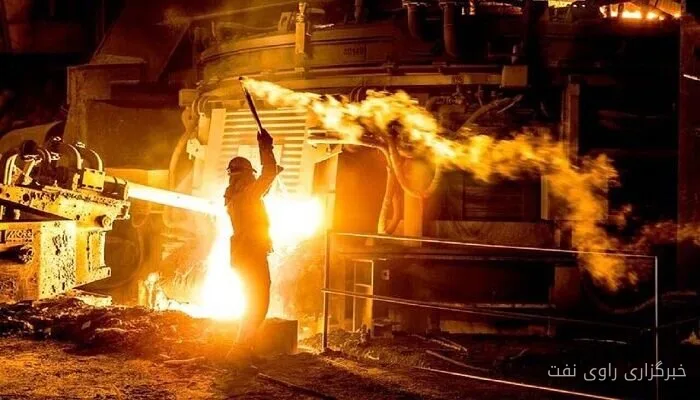
The Mobarakeh Steel Complex is also recognized as a symbol of speed and domestic engineering capability. The repair of Furnace No. 8, which was initially estimated to take about 4 months, was completed in 45 days thanks to the efforts of Iranian engineers and workers. The Minister of Industry, Mine and Trade has also reported the return of "most of the Mobarakeh steel furnaces" to the production cycle. This quick action has neutralized the enemy's strategy to paralyze the country's steel chain.
Status of the Oil Industry
The oil industry, under these conditions, not only did not stop but, according to the Minister of Oil, crude oil production did not decrease on any day during the war. Oil exports during this period were satisfactory, and simultaneously with firefighting and securing facilities, debris removal and the restoration of lost capacities (including gas production capacity) began from the very first days. This process continues today with more advanced technology and greater resilience.
This report is not a narrative of defeat, but a narrative of standing up again. It tells the story of a worker who remained in the heart of the fire so that his factory would not stop, and an engineer who accomplished in 45 days what foreign specialists had estimated would take 4 months. The Iranian industry, wounded but steadfast, is rebuilding and moving forward again today.
Read more: Holding the 28th GECF Ministerial Meeting with the presence of Hamid Bord · Donald Trump increased U.S. oil production with the Cold War Act