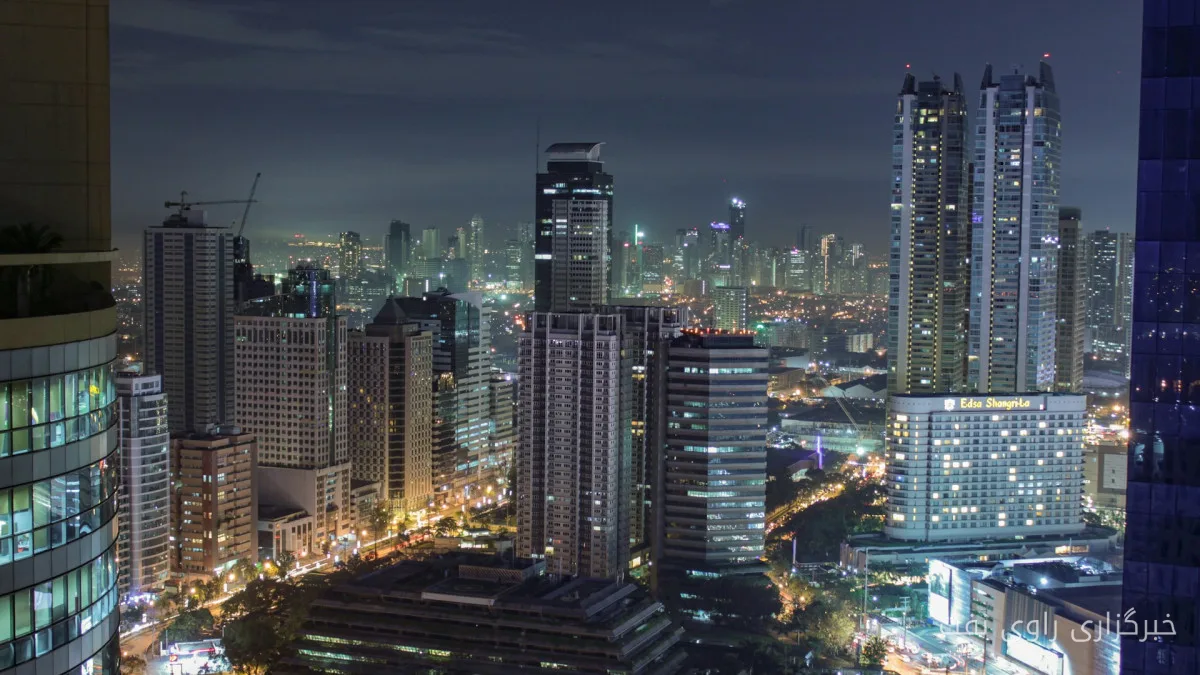
Developing countries with rapid economic growth, especially Brazil, India, Nigeria, and Indonesia, are preparing for an increase in their energy demand in the coming decades. According to a new report from S&P Global, these countries are looking to expand energy production and imports to keep pace with their rapid economic development.
Development of Renewable Energy Capacity
While the leaders of these countries strive to expand their renewable energy capacity, meeting demand requires a comprehensive approach to energy that continues the life of oil and gas. The report predicts that developing countries could add over 60% to the total energy demand of the world by 2060. According to S&P Global, this is equivalent to adding another China to global consumption.
China's Role in Clean Energy Production
China, as the largest producer of clean energy infrastructure in the world, has significantly influenced the increase of renewable energy capacity in developing countries. Many of these countries have seen substantial growth due to the influx of cheap clean energy technologies from China, particularly in solar panel installations. This is while fluctuations in the oil and gas market due to the closure of the Strait of Hormuz have also impacted this issue.
However, while the renewable revolution is accelerating in the Global South, S&P Global warns not to expect clean energy to fully replace fossil fuels. Dan Yergin, Vice President of S&P Global, says, "This demand growth will be met with various types of energy, and while renewables will be an important part of this demand, oil and gas will still be part of the picture."
The challenges of climate change may make achieving environmental goals difficult, but developing countries are looking to continue developing fossil fuels instead of 'leaping' to 100% renewable grids.
Required Investments
Wealthy countries have promised to address this inequality by financing carbon reduction in poorer countries. However, the history of climate financing is filled with broken promises. While China's production has helped reduce the costs of renewable energy, it requires significant investments from countries that have not yet well developed clean energy infrastructure.
In this regard, Katie At, Deputy Executive Director at Energy for Growth Hub, points out that developing countries cannot wait for renewable energy costs to decrease to develop their energy systems. She says, "The growth of energy demand in developing countries is a result of economic development, rising incomes, and job creation. Currently, the average energy consumption of a Liberian in a year is less than that of a refrigerator, so the scale of energy poverty in these countries is much higher than many Americans realize."
This reality has been exacerbated by the recent increase in energy demand and carbon impact in developed countries influenced by artificial intelligence.



