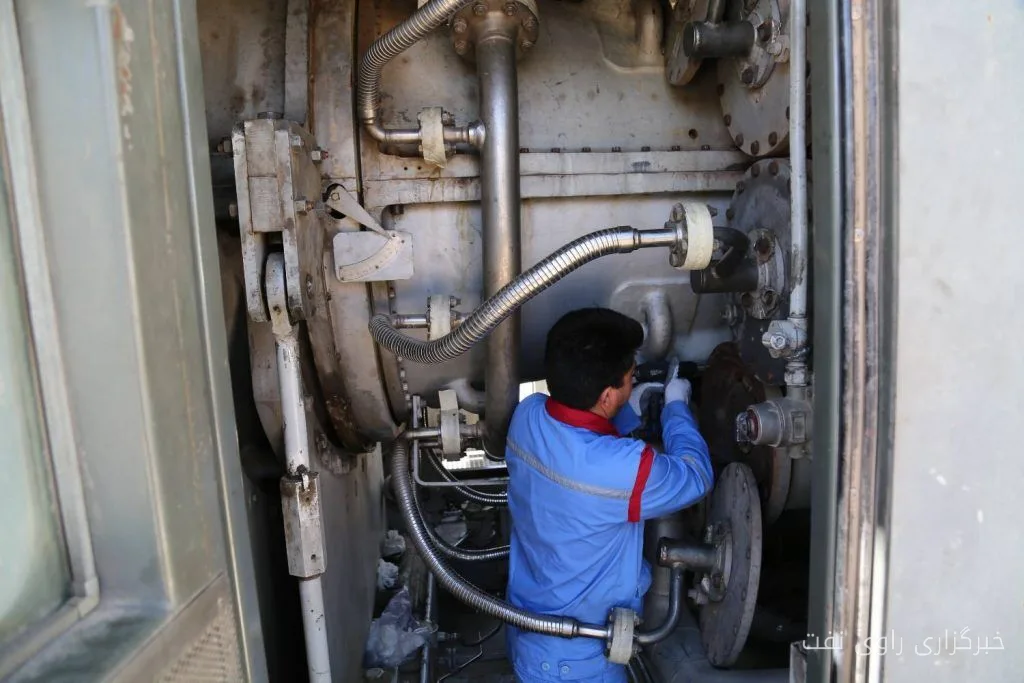
Mehdi Zare, the manager of Region 8 of Iran's gas transfer operations, announced a 40% increase in operational drills in this region and emphasized that these drills play a significant role in enhancing the resilience of the gas transfer network. The main objective of these drills is to assess the readiness of operational forces, evaluate the response to potential incidents, and strengthen coordination among related units.
The Necessity of Preparedness for the Cold Season
Zare stated that the increased gas consumption in the cold months heightens the necessity for maximum preparedness, saying: "Implementing targeted drills alongside preventive maintenance, continuous monitoring of gas pressure facilities, and gas transfer pipelines is among the important priorities of this operational region." These drills also help identify areas for improvement in operational processes and provide the groundwork for enhancing safety and reducing the consequences of emergency situations.
Read more: Behzad Gholipour Appointed as CEO of Farabi Petrochemical
Objectives and Outcomes of the Drills
The manager of Region 8 of Iran's gas transfer operations emphasized that the main goal of conducting preparedness programs and increasing operational drills is to enhance the safety of facilities and reduce response times to incidents. Additionally, Zare pointed out the importance of clean, safe, sustainable, and efficient natural gas transfer to consumers, stating that achieving this goal requires continuous preparedness and coordinated efforts from all personnel in the region. These drills are seen as a tool to ensure safety and optimize the performance of the gas transfer network under various conditions.
Read more: Decline in Russia's Oil Export Revenue Due to Production Drop · Reconstruction of Strategic Industries and the Necessity of Equipment Security Assessment



