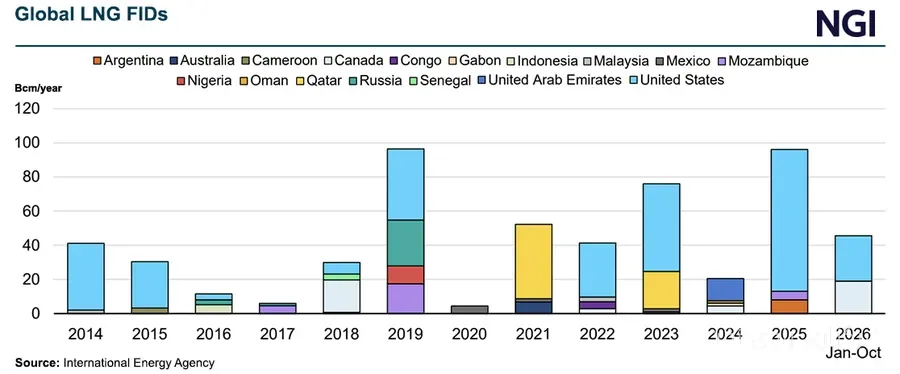
The ongoing tensions in the Strait of Hormuz have led to a projected 3% decrease in global liquefied natural gas (LNG) supply this year. This reduction is considered the most severe annual decline in the recorded history of this market and will significantly impact energy supply in Europe.
Forecasts and Economic Impacts
According to the International Energy Agency (IEA), this decrease in supply is due to ongoing disruptions in the Strait of Hormuz, which is one of the most important energy transport routes in the world. This strait serves as a strategic passage for 20% of the global oil and natural gas supply. In recent years, increasing tensions among regional countries have affected energy supply security and raised serious concerns for global markets.
Read more: Data center plans at the Drax power station lead to a £20 billion investment
Impact on Natural Gas Reserves in Europe
Due to the supply decrease, natural gas reserves in Europe have reached their lowest level since 2013. Many European countries, especially in the winter season, rely on LNG imports, and a reduction in supply could lead to price increases and difficulties in meeting energy needs. Currently, European countries are trying to find alternative sources for their energy supply, but this process is time-consuming and challenging.
As demand for LNG in Asia is also increasing, this could lead to more competition in global markets and challenge gas-producing countries. Currently, the United States, as one of the largest LNG producers in the world, is working to meet global needs by increasing its exports to various countries.
However, the current situation indicates that the Hormuz crisis could have profound effects on the global energy market, particularly on prices and natural gas supply in Europe. If tensions continue, we may witness further changes in the energy supply strategies of European countries.
Read more: Dr. Sultan bin Ahmed Al Jaber announced a one billion barrel reduction in oil reserves · ADNOC Gas signed an LNG supply contract with TotalEnergies