Ardeshir Mezhkouri, the CEO of Iran's Electricity Network Management Company, elaborated on the performance of the electricity network this summer during a press conference at the 26th International Electricity Industry Exhibition of Iran. He announced that despite the challenges and damages caused by the war, the company managed to supply 4% more electricity compared to the same period last year as of July 27.
Increase in Electricity Production Capacity
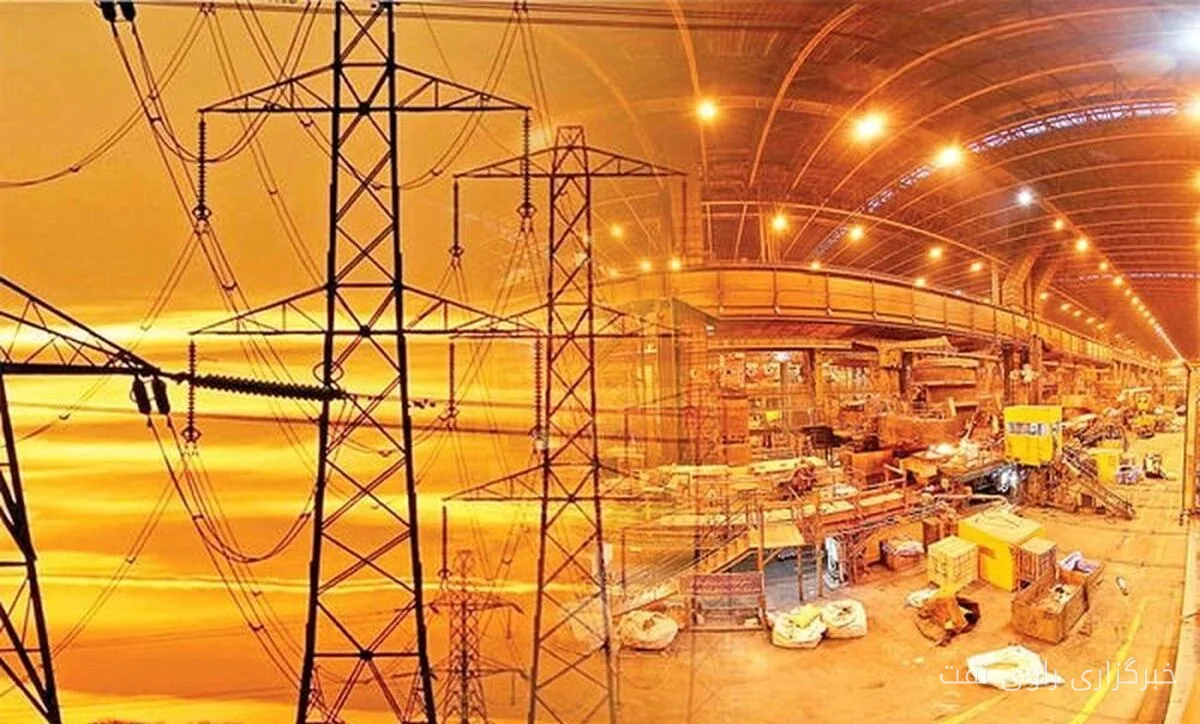
Mezhkouri identified the increase in production capacity and the utilization of generation capacity as key factors in achieving this performance. According to him, the total electricity supplied to industries increased by 11% over the four months of summer. This increase occurred while approximately 4,700 megawatts of the country's electricity production capacity has been damaged during the war.
The CEO of Iran's Electricity Network Management Company further referred to the company's policies for supplying electricity to damaged industrial units, stating: "Supplying electricity to these units is a priority for us to ensure that the production sector and the supply of essential goods are not disrupted."
Increase in Electricity Supplied to Petrochemicals
One important point raised by Mezhkouri in this meeting was the fivefold increase in electricity supplied to petrochemicals compared to last summer. This increase during peak consumption is considered a significant achievement for the electricity industry. He also mentioned that regarding electricity supply to industries in November, in addition to the contracted electricity capacity, the possibility of utilizing surplus electricity has been provided, and the amount of electricity supplied to this sector in November increased by 5.5% compared to the same month last year.
Mezhkouri stated that the financial turnover of the electricity market managed by the network is approximately 155 trillion tomans. He added: "The activities of Iran's Electricity Network Management Company are pursued in both technical and economic fields, and this organization, in addition to managing, monitoring, and controlling the network, also plays a role in managing electricity market transactions, developing competition, increasing transparency, and facilitating investment attraction."
In conclusion, he emphasized the importance and role of this company in the electricity industry, stating: "Despite the existing challenges, our goal is to ensure sustainable electricity supply for industries and maintain the production process in the country."