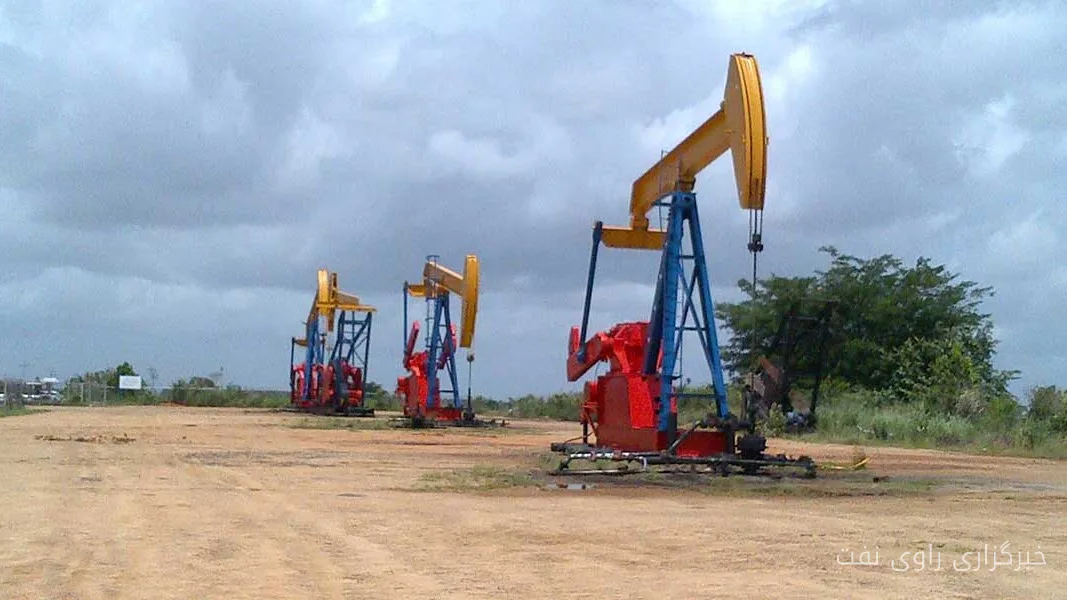
Western investments in the Venezuelan oil industry, particularly in its oil fields, have faced serious new challenges. Venezuela, known for having one of the largest oil reserves in the world with an estimated 303 billion barrels of oil, has experienced a significant decline in its oil production in recent years due to sanctions and economic crises.
Sanctions and Economic Crisis
Since 2015, economic and political sanctions against Venezuela have seriously impacted the country's oil industry. Venezuelan oil production fell to about 400,000 barrels per day in 2020, while this figure was over 2.5 million barrels per day in 2016. This production decline is due to a lack of investment, outdated equipment, and a reduction in human resources.
Read more: New IMO Guidelines for Safety Management in Confined Spaces
Consequences of Western Investment
Western investments in the Venezuelan oil industry, aimed at exploiting the country's rich resources, especially in oil fields like the "Orinoco" field and the "Bolivar" field, have faced major challenges. While these investments initially seemed promising, they now pose serious risks for Western companies due to sanctions and Venezuela's unstable economic situation. Analysts believe that these investments may soon turn into a major crisis.
On the other hand, despite the existing problems, some Western oil companies continue to operate in the country. These companies hope to exploit Venezuela's vast resources with improvements in political and economic conditions. However, currently, any new investment comes with high risks.
Ultimately, the consequences of these investments will not only impact Venezuela's oil industry but could also affect the global oil market and its prices. Under the current conditions, changes in Venezuelan oil production could lead to severe price fluctuations in global markets.
Read more: Saudi Arabia and UAE's Closeness After Ansar Allah Attacks in Yemen · Increase in US Crude Oil Exports as a Key Global Source