In recent days, with rising tensions and new attacks in the Strait of Hormuz, Brent oil prices have exceeded $100. This price increase has not only affected the global oil market but has also put European countries in a sensitive position. In this situation, various European countries are seeking to meet their energy needs from different sources.
High Crude Oil Consumption Countries
According to recent data, European countries are significantly dependent on crude oil imports. Some of these countries, by purchasing large volumes of oil, are at greater risk. For example, major industrial countries like Germany and Italy are heavily reliant on crude oil imports, and any fluctuations in the price or supply of this energy source can have profound impacts on their economies.
On the other hand, smaller countries are also seeking to secure their oil resources but on a smaller scale. This situation reflects Europe's deep dependence on crude oil and the challenges facing the continent in securing its energy needs.
Future Challenges and Economic Implications
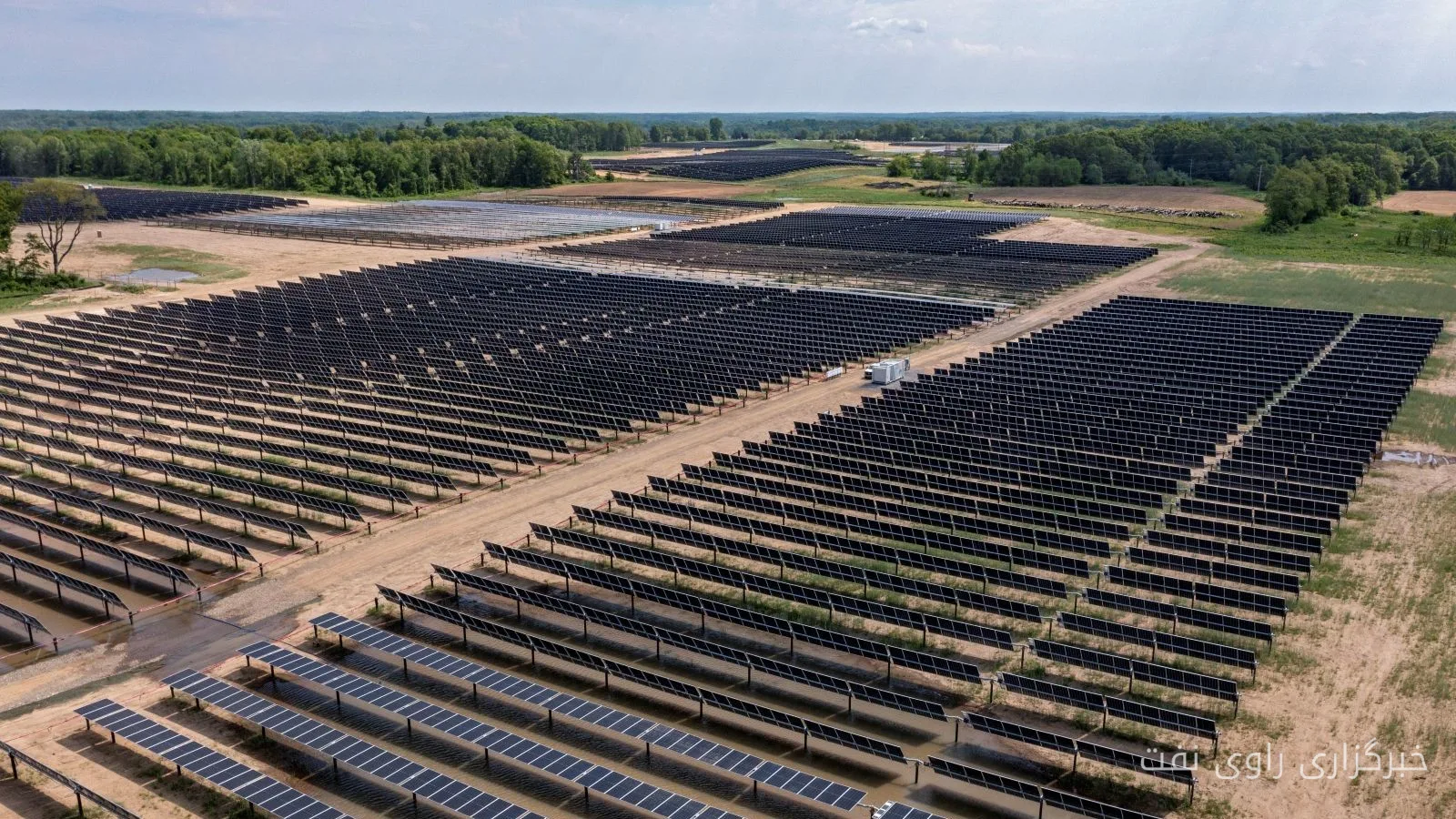
As international tensions and climate changes have become serious challenges for Europe's energy supply, this continent must think of new solutions. Given the dependence on crude oil and price fluctuations, European countries may have to move towards renewable energy sources to reduce their reliance on oil and maintain their economic stability.
Overall, considering the current conditions and rising oil prices, European countries find themselves at a critical crossroads. Can they rely on their domestic capabilities to produce sustainable energy, or will they continue to depend on crude oil imports? This is a question that needs to be answered in the coming days.