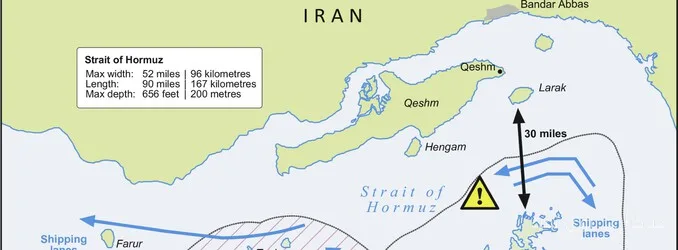
Senior oil executives at the London Energy Conference warned about the decline in global oil and gas reserves, given the ongoing war in Iran, which has reached its eighth month. Since February, this war has disrupted oil transportation through the Strait of Hormuz, a critical point that normally transports about one-fifth of the world's oil and liquefied natural gas. However, the increase in crude oil prices in the markets has surprisingly remained limited, with Brent crude trading below $100 a barrel on Tuesday.
Declining Demand and Increasing Supply
This situation has arisen due to efforts by producers and consumers to adjust to the current conditions and reduce demand. They have utilized every tool at their disposal, including significant demand reduction, increased supply from other parts of the world, and substantial releases from strategic oil reserves. In recent weeks, a sharp increase in tanker traffic through the Strait of Hormuz has also been reported.
Warnings from Shell's CEO
Wael Sawan, CEO of Shell (Shell Plc), warned at the conference that the effectiveness of these solutions is limited. He stated, "There is a limit to how long these buffers can continue. We may have softened the worst impact of the crisis, but this situation cannot continue indefinitely."
Despite the decline in global oil reserves, senior executives at the conference stated that the volume of oil passing through the Strait of Hormuz has approached pre-war levels. However, every day that flows are affected means that solutions still need to be found elsewhere.
Need for 14 Million Barrels to Balance the Market
Russell Hardy, CEO of Vitol Group, stated, "We need about 10 to 14 million barrels of oil to be transported to maintain balance throughout the winter, as there is no more inventory to draw from in the West."
Current pressures in the oil market have largely been confined to two specific sectors: refined fuels and transportation. Last week, a group of countries announced a new plan to release 100 million barrels of oil to the global market to alleviate price pressures. This news follows the release of 400 million barrels of oil announced earlier this year.
Macroeconomic Forecasts and Long-Term Challenges
However, this indicates a continued decline in global reserves in the coming months, especially for refined fuels like diesel, which have been severely limited in recent weeks. Amin Nasser, CEO of Saudi Aramco, stated, "While the pressure on crude oil is serious, prices for refined fuels have increased even more. Emergency reserves may sustain us for one winter, but they cannot solve long-term supply issues."



