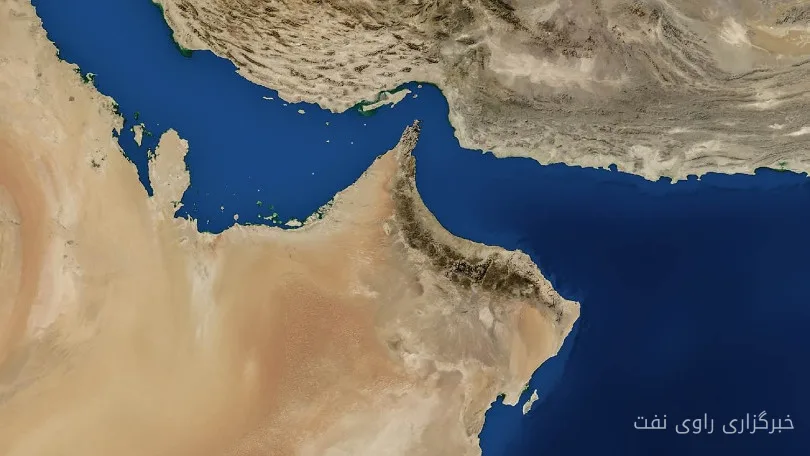
Crude oil prices in the United States have recently crossed the $100 per barrel mark. This price increase is a direct result of the escalating tensions in the Middle East and the advance of the Houthis towards the Bab el-Mandeb Strait, which has significantly heightened concerns about disruptions in oil supply.
Global and Economic Impacts
The rise in crude oil prices, due to serious concerns about energy security, quickly affects global markets. The Bab el-Mandeb Strait, one of the most important oil transit routes in the world, could have widespread economic and political repercussions with any disruption in supply. Analysts believe that these tensions may lead to price increases in international markets as well as severe fluctuations in global stock exchanges.
In recent weeks, with the increase in air and naval attacks in this region and military movements, many countries, especially those dependent on Middle Eastern oil, have been put on high alert. This situation causes oil-producing countries, particularly in the Middle East, to face serious challenges in supply and distribution.
The Future of the Oil Market in Uncertainty
With rising prices, it is expected that major consuming countries will seek alternative sources. These changes could benefit oil-producing countries, but at the same time, they could fuel public discontent in countries that are heavily reliant on oil. Meanwhile, financial markets will also experience significant volatility, which may lead to economic crises on a global scale.
While some analysts believe that this price increase will be temporary, others warn that if tensions in the Middle East continue, oil prices may reach even higher levels. In this context, paying attention to regional developments and global reactions becomes increasingly important.