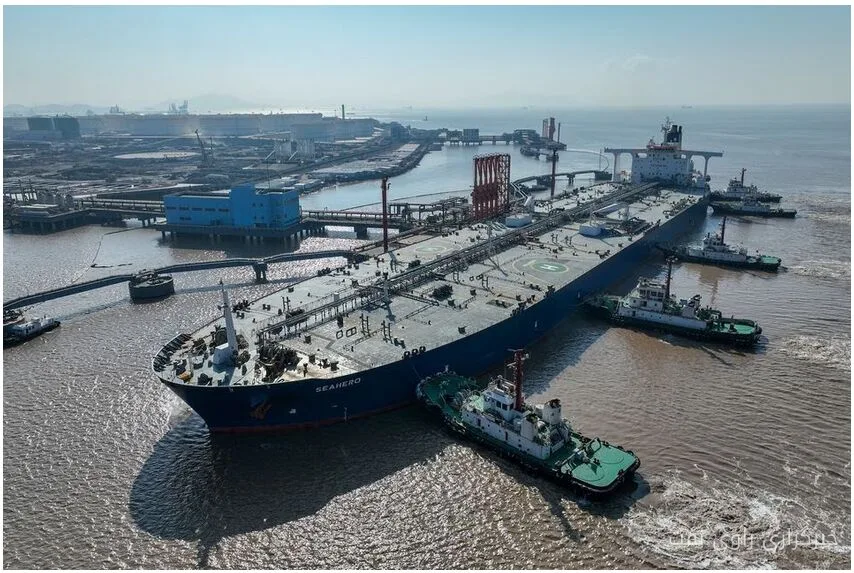
In recent weeks, the oil market has witnessed a significant and concerning change. The cost of transporting crude oil has dramatically risen due to escalating conflicts in the Middle East. This unprecedented rise in costs has severely impacted global oil prices and has sparked new speculation about the future of this market.
Factors Influencing Cost Increases
Economic analysts believe that political and military tensions in the Middle East, including wars and conflicts, are one of the main factors driving up oil transportation costs. These conflicts have not only led to delays in oil transportation but have also increased the risks associated with transport. The existing insecurity in this region has affected shipping routes and significantly raised insurance costs.
Moreover, given that the Middle East is one of the largest sources of crude oil in the world, any fluctuations or disruptions in this region can have serious repercussions for the global oil market. Therefore, the increase in costs and crude oil prices in global markets has become a hot topic at present.
Economic Consequences
With the rise in oil transportation costs, not only will major oil producers be under pressure, but consumers will also face rising fuel and petroleum product prices. This increase in costs could lead to economic recession in oil-dependent countries and negatively impact the global economy.
Currently, experts are seeking solutions to manage these challenges, but given the current situation, it seems that the oil market will face serious challenges in the near future, and this rise in costs is just part of the existing problems in this sector.