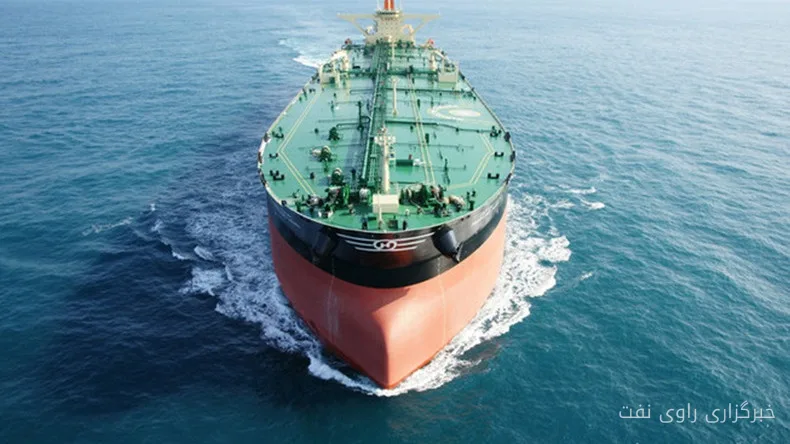
Crude oil freight rates in September surpassed $1 million per day on the route from the Persian Gulf to China, setting a new record. With the outbreak of the Iran war and changes in trade patterns, freight rates increased by another 40 percent in the first week of October, reaching $1.4 million per day for trips to East Asia.
Impact of the Oil Crisis on Freight Rates
Increased oil flows from the Strait of Hormuz, primarily due to ship-to-ship (STS) transfers in the Gulf of Oman, have led to tankers waiting for long periods for these transfers. This situation has created limitations in access to Very Large Crude Carriers (VLCC) for other key global oil trade routes, including from the Gulf Coast of the U.S. to Asia.
Read more: Hurricane Isaias Halted 71% of Gulf of Mexico Oil Production
Experts believe that inefficient oil loading in the Middle East and the very tight tanker market have had multiple effects on the market for smaller vessels, including Aframax and Suezmax. The demand and daily rates for these vessels have also increased due to the shortage of large tankers. Therefore, the Iran oil crisis has turned into a full-blown transportation crisis.
Economic Challenges from Rising Costs
High rates add millions of dollars to the cost of a crude oil shipment, further fueling rising oil and fuel prices. According to Russell Hardy, CEO of Vitol, the world's largest independent oil trader, "We started this conflict with an oil crisis. Then it turned into a product crisis. Now more crude oil is leaving the Middle East, but it has become a transportation crisis."
Rates on the route from the Gulf Coast to Japan have also surged, with reports indicating that a tanker has been offered for $82 million for this trip, a 50 percent increase from three weeks ago. Additionally, the major trading company Trafigura has chartered a tanker to transport oil from the Gulf Coast to China for $76 million, ten times more than pre-war costs.
Currently, many global tankers are conducting STS transfers outside the Strait of Hormuz, and with increasing flows, more are working on this route, reducing the available vessels for transporting oil from other parts of the world. Unprecedented rates for transporting crude oil from the Persian Gulf and the Gulf of Oman are attracting tankers to the lucrative but risky Middle Eastern trade, creating a shortage of vessels in other parts of the world.
Analysts believe that the increase in oil supply continues, and shipping data shows that regional crude oil exports from the Middle East in the last few days of September were even above pre-war levels. They also noted that "the smaller sisters of VLCCs, Suezmax and Aframax, show no signs of decline, so there really is no place to hide right now."
Read more: Support from Members of the International Energy Agency for Accelerating the Release of Oil Reserves · Oil Price Stability with Increased Persian Gulf Exports



