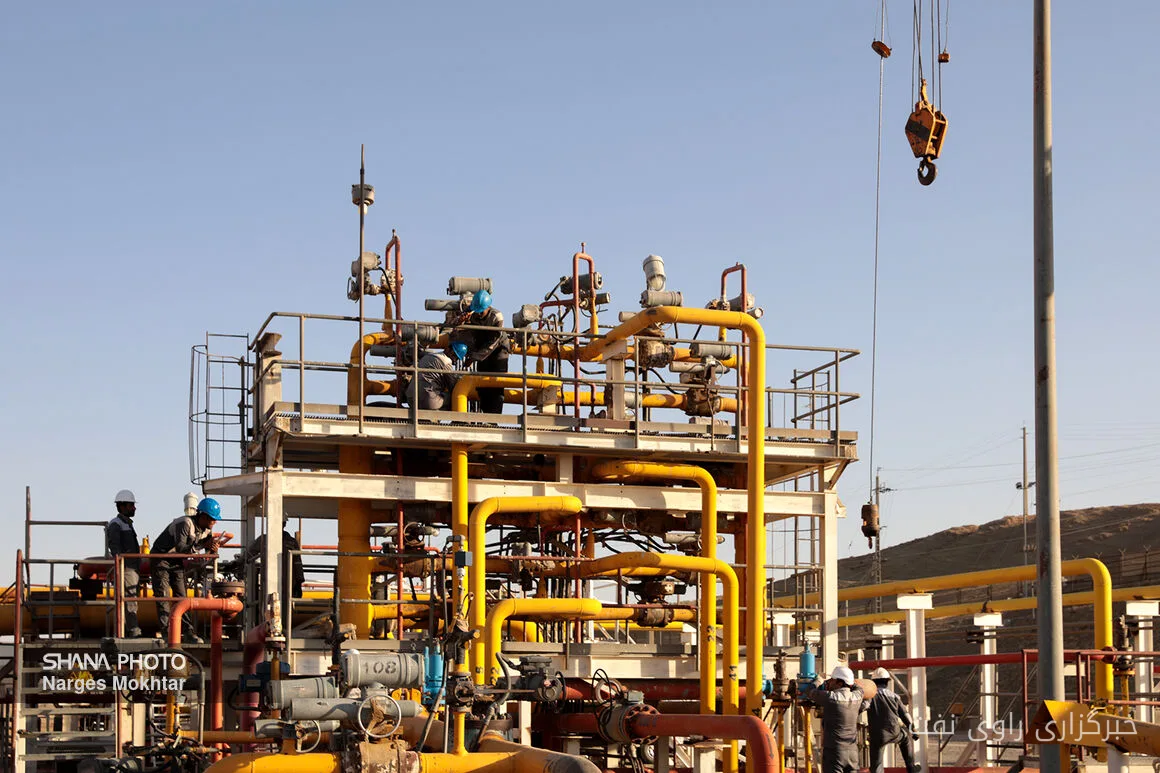
In the latest report on the oil situation in the United States, the country's crude oil reserves have decreased to 424.1 million barrels as of September 4. This figure takes into account the exclusion of Strategic Petroleum Reserves (SPR) and indicates a significant reduction in crude oil inventory.
Analysis of the Oil Market Situation
The decrease in crude oil reserves may signal an increase in demand or a reduction in production. These changes can significantly impact oil prices and create severe fluctuations in the market. Given recent developments in the energy sector and geopolitical changes, many analysts believe that this decline could lead to rising prices.
On the other hand, the decrease in crude oil reserves could indicate positive effects on economic activities. If this decline is due to increased demand, it signifies an improvement in economic conditions and a return to pre-recent crisis levels. However, if this decline is due to reduced production, it could soon lead to new crises in the oil market.
Global and Local Impacts
Additionally, this decrease could have profound effects on oil producers in other countries. Particularly, countries that rely on oil exports may face pressure from prices and demand. In this context, countries like Saudi Arabia and Russia, which hold significant shares in the global oil market, must adopt new strategies to manage their prices and production.
Ultimately, this decline in U.S. crude oil reserves once again demonstrates that the oil market is heavily influenced by economic and political factors, and any small change can have widespread implications globally. Given the current situation, it remains to be seen whether this trend will continue.