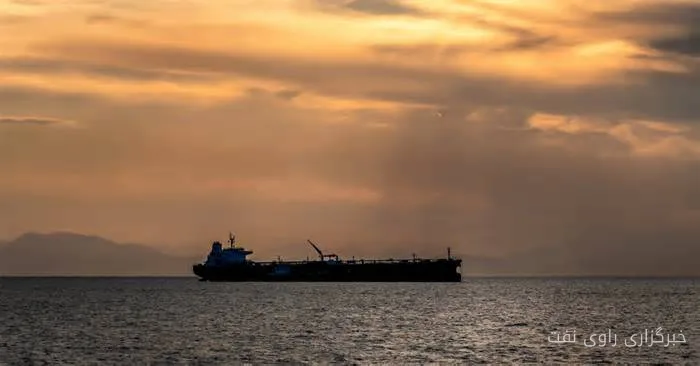
The transfer of oil from the Strait of Hormuz, as one of the most vital trade routes in the Gulf energy industry, provides billions of dollars in profits to producers in this region and commercial brokers. The Strait of Hormuz, which is about 33 kilometers wide, is considered a gateway for oil tankers, with approximately 20 percent of the world's crude oil passing through this route.
The Importance of the Strait of Hormuz in Global Oil Trade
Due to its unique geographical location, the Strait of Hormuz is the main oil transfer center for Gulf producing countries. This strategic waterway delivers crude oil from major oil fields such as the South Pars gas field and the Azadegan oil field to global markets. Estimates indicate that in 2022, about 17 million barrels of crude oil passed through this strait.
Read more: Nehbandan Petrochemical is the first project of the Persian Gulf Holding in the east of the country
Challenges and Risks in the Oil Transfer Route
Despite the high importance of the Strait of Hormuz, this route faces numerous challenges. Due to political and military tensions, this waterway may be exposed to threats that could impact oil prices in global markets. In recent years, increasing tensions in the Gulf region have heightened concerns about the security of oil transfers. For example, in 2019, attacks on oil tankers in this area significantly raised concerns about the safety of the Strait of Hormuz and its impact on the global oil market.
Additionally, transportation and insurance costs in this region have also significantly increased due to these threats. These factors compel commercial brokers and tanker owners to carefully assess their strategies for transferring oil through this route.
Overall, the Strait of Hormuz is recognized not only as an oil transfer route but also as a strategic area in the global energy market. Given the rising demand for energy and the complexities in international policies, the future of this transfer route remains shrouded in uncertainty.
Read more: Ali Forutan visited Tabriz Petrochemical · The European gas crisis is exacerbated by the shortage of LNG from Hormuz



