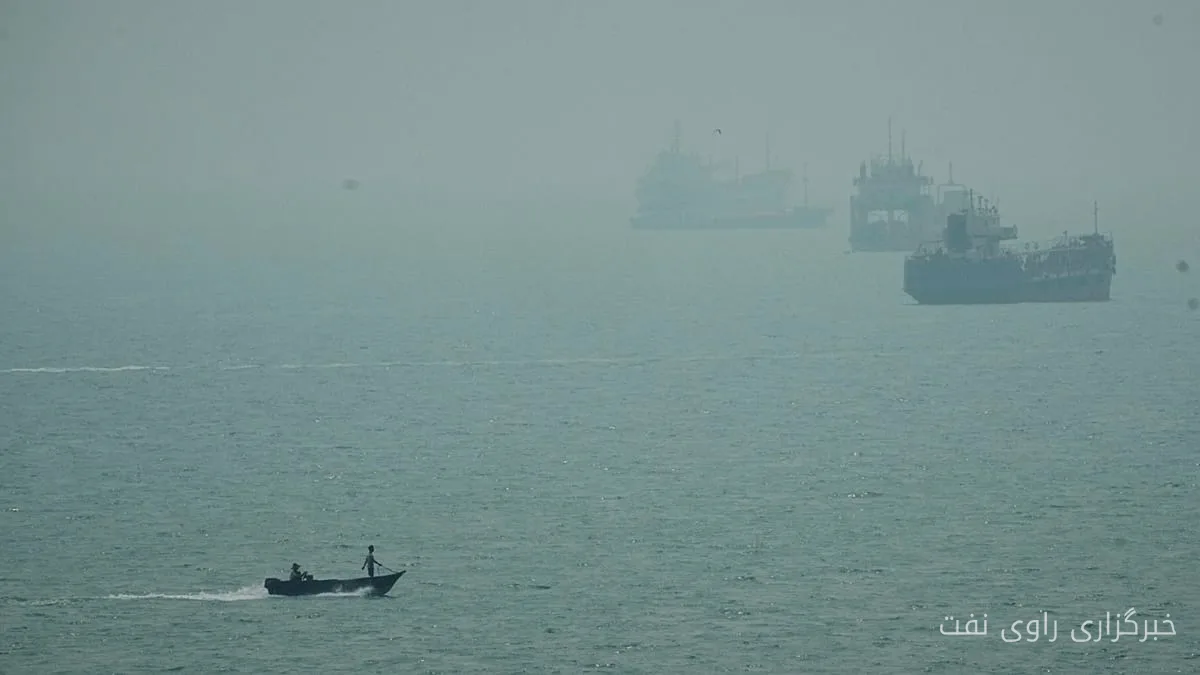
The war in the Persian Gulf has led to major changes in the way oil is exported. Nearly seven months after the start of this war, the price of oil has reached about $100 per barrel, but this increase has not been as significant as initially predicted. Analysts believe that oil supply is still somewhat sufficient to meet global demand. However, rising prices have posed political challenges for Donald Trump, the President of the United States, and other global leaders.
Alternative Routes and Spare Capacities
One of the main reasons for this situation is that Saudi Arabia and other oil producers in the Persian Gulf quickly found alternative routes and utilized the spare capacity of their pipelines. Whenever Iran and Iran-aligned armed groups targeted these routes, oil-exporting countries and the U.S. military turned to other options. For example, Saudi Arabia resorted to its East-to-West pipeline, which transports oil to the port of Yanbu on the Red Sea coast. This pipeline has spare capacity and allows Saudi Arabia to withstand the threat of Iranian attacks.
Read more: The White House Rejected the Ban on U.S. Diesel Exports
Current Status of Oil Exports
Currently, about six to seven million barrels of oil pass through the southern route daily, and another two million barrels are transported to Asia via the Fujairah pipeline. This is while before the war, about 15 million barrels of oil were transported through the now-blocked routes. Therefore, there is still a shortfall of about seven million barrels per day compared to pre-war levels. Meanwhile, the daily extraction of about three and a half million barrels of oil from existing global reserves and rising oil prices have reduced global demand, contributing to a relative balance in the market.
Estimates indicate that oil prices have not yet reached extraordinarily high levels and remain within the $100 range. Meanwhile, Rystad Energy predicts that oil prices will reach $85 to $90 per barrel in the last quarter of the year and may drop to around $80 to $82 next year if the Strait of Hormuz is reopened.
The use of alternative routes, although it has helped reduce oil shortages, is costly and time-consuming. For instance, transporting oil to Asia via the Suez Canal instead of the more direct Red Sea route can add up to a month to travel time. Additionally, tankers may have to wait at least a day and a half in the Gulf of Oman to transfer their cargo. Ultimately, the increased demand for supertankers has also significantly raised their rental costs.
Read more: Saudi Arabia Denied Buying 25 Tankers · New Record Gasoline Price in the U.S. Surpassing $4.50



