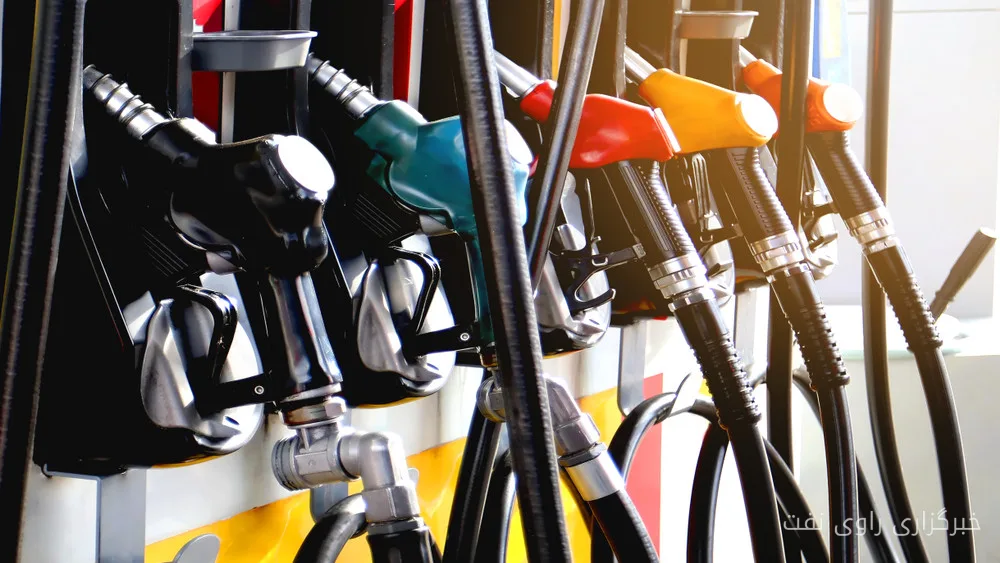
The ban on diesel fuel exports from the United States could lead to rising fuel prices in the domestic market. This action has been proposed in response to unprecedented retail diesel prices, which reached over $6.50 per gallon last week.
Consequences of the Diesel Export Ban
Analysts have warned that this action could lead to inventory depletion and reduced refinery activity. While the United States faces a diesel surplus, other parts of the world are struggling to meet their needs. For example, diesel exports to Europe have increased during this period.
U.S. officials, including President Trump, have supported the proposal for a temporary diesel export ban. However, energy analysts like Chris Wright, the Secretary of Energy, have warned about the unintended consequences of this action. He has explicitly stated that such a ban will lead to reduced refinery capacity and will ultimately exert more pressure on gasoline and jet fuel prices.
Impact on Global and Domestic Markets
According to data from Wood Mackenzie, a 90-day ban on diesel exports could divert about 700,000 barrels of this fuel toward storage, which could fill existing storage capacity in less than a month. Following that, refineries would be forced to cut their production by 2 million barrels per day, which in turn would negatively impact gasoline production as well.
Given the current conditions, other countries, especially China, are the only countries with limited refining capacity that can compensate for the shortages resulting from reduced U.S. refinery production. However, China may also be reluctant to do so.
Currently, U.S. refineries produce 5.1 million barrels of diesel per day, with exports averaging 1.2 million barrels per day. Domestic consumption is estimated at 3.6 million barrels per day. However, since the oil and diesel markets are global, price changes in the global market will undoubtedly affect the domestic market as well.