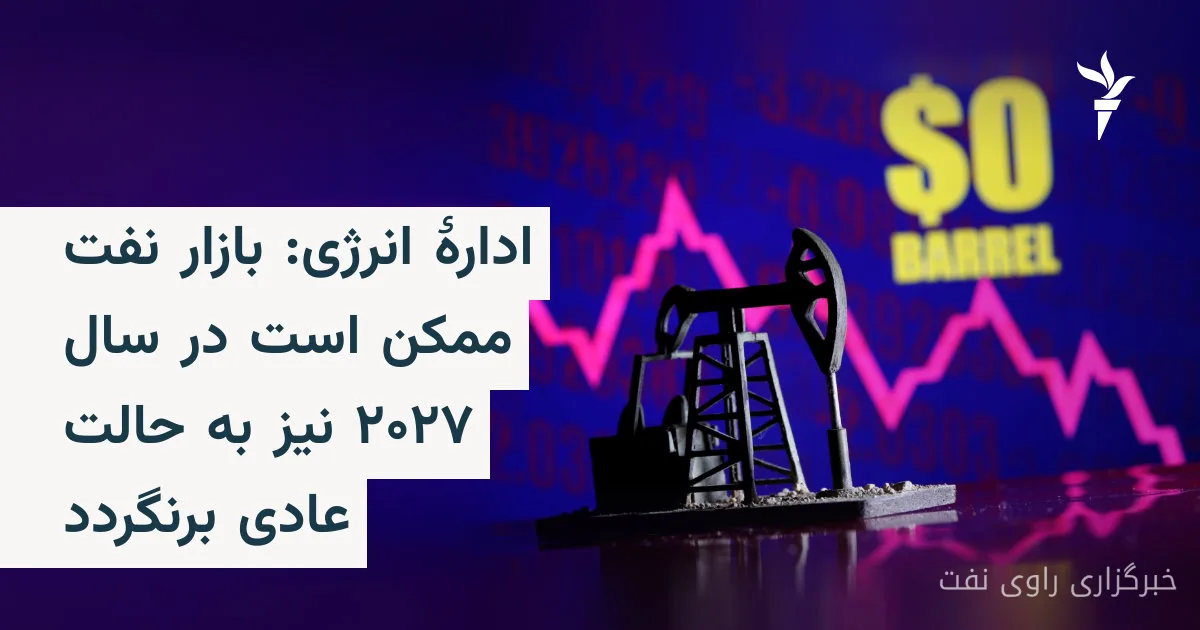
Fatih Birol, the head of the International Energy Agency, has warned that due to escalating tensions in the Middle East and the possibility of the Strait of Hormuz being closed again, the global oil and energy market may not return to normal in 2027.
Current Status of the Oil Market
This warning comes as Brent crude prices reached nearly $112 per barrel on Tuesday, marking the highest oil price in the past five months. By the end of the day, Brent crude prices fell to $108.79, and West Texas Intermediate crude oil prices dropped to $101.79 per barrel.
Read more: Profits of oil giants Shell, BP, and TotalEnergies are expected to rise in the third quarter
Birol stated at an oil industry meeting in London that he sees no reliable signs of improvement in the energy market by 2027. He emphasized that the Strait of Hormuz has been closed once and may be closed again, which would have serious implications for the energy market.
International Tensions and Their Impact
According to reports, concerns over rising tensions between Iran and the United States are significant factors contributing to the increase in oil prices. For instance, Donald Trump, the President of the United States, has stated that the war with Iran will soon come to an end, but Iranian officials insist that reaching an agreement with Washington depends on fulfilling Tehran's conditions.
According to data from the company "Kpler," which monitors ship movements, oil shipments through the Strait of Hormuz have not yet returned to pre-war levels, with approximately 14 million barrels of oil passing through the strait daily, which constitutes 82% of the previous level. This decrease in oil transportation volume is significant due to the political and military tensions in the region.
Given the current conditions, it seems that oil prices will face more volatility in the near future due to these tensions and instability in the region. This could have profound and lasting effects on global energy markets and oil-dependent economies.
Read more: Record profits for oil companies while controlling costs · Iraq's oil exports reached 3.4 million barrels per day in October



