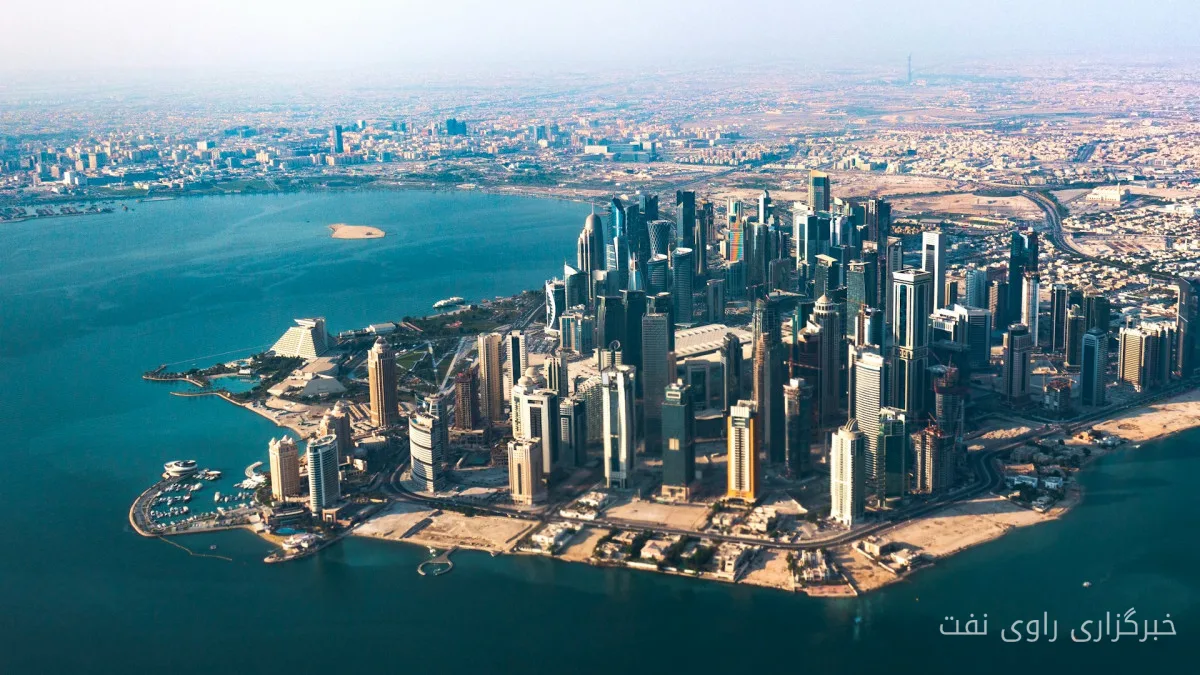
The blocking of the Strait of Hormuz, which is considered one of the most important shipping routes in the world, directly impacts Qatar's large liquefied natural gas (LNG) projects. Qatar, with an annual production capacity of 76 million tons of LNG, is currently investing $83 billion to develop the North Field gas project.
Impact on Qatar's Liquefied Natural Gas Projects
The North Field gas project, the largest natural gas field in the world, alone supplies 24 percent of the global LNG supply. However, the Strait of Hormuz is considered the only transit route for many of Qatar's LNG shipments. In the event of any disruption in this strait, the supply and transportation of LNG to global markets will face serious challenges.
Read more: Decrease in ship traffic in the Strait of Hormuz to 12 vessels
Additionally, Qatar is seeking to increase its LNG production capacity to 110 million tons per year, a goal that may face serious challenges. If the Strait of Hormuz is blocked, Qatar will be unable to meet global gas demands, which could lead to rising prices in the global market.
Economic and Political Consequences
The blocking of the Strait of Hormuz will not only impact Qatar's economy but could also fuel political tensions in the region. Neighboring countries, especially Saudi Arabia and the United Arab Emirates, may seek alternatives for their energy supply in similar situations, which could lead to increased competition in the energy market.
This situation could also affect global oil and gas prices, leading to economic fluctuations in oil and gas-dependent countries. Consequently, crisis management in these conditions is of special importance for Qatar and other natural gas-producing countries.
Ultimately, given the significance of the Strait of Hormuz and the dependency of producing countries on this route, necessary measures must be taken to ensure the security of this region. It seems that international cooperation to maintain maritime security in this strait is more essential than ever.
Read more: The Tos gas field with the entry of well number 4 into the gas production cycle in the northeast of the country · Changes in U.S. policies increased investment in Latin American energy