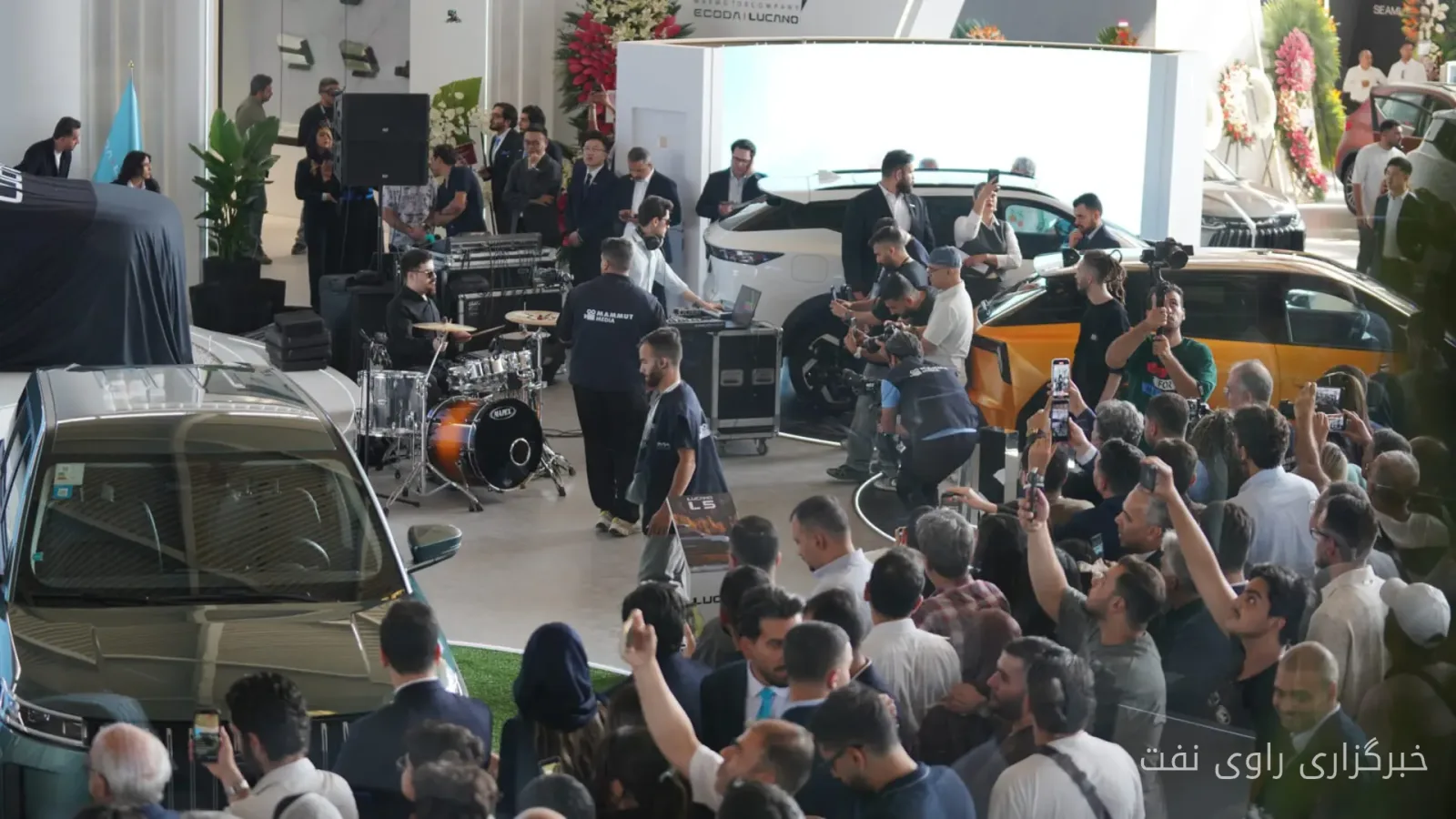
The ٧th Tehran International Automobile Exhibition was held while the presence of used cars and the deep gap between luxury showrooms and people's purchasing power have posed a serious challenge to the identity of the country's automotive events.
The dazzling halls of this exhibition initially conjured an image of dynamism and progress. A multitude of eager visitors walked among the booths to closely observe the latest products introduced to the country's market. However, despite the visual appeal of luxury and flagship models, a fundamental question occupied the minds of experts: What exactly does an event of this scale portray about the future of engineering and the supply chain?
Read more: J+S Subsea has begun collaboration with Pulse Technology Hub for growth in Australia
Challenges of Offering Used Products
An examination of the overall structure of the booths shows that some of the displayed models were second-hand imports that have made their way to the Iranian market after several years of useful life in foreign markets. Allocating space at a national event for used products transforms the standard definition of industrial gatherings. The fundamental philosophy of such gatherings worldwide is to introduce innovations, new platforms, concept cars, and announce companies' plans for the next five to ten years.
Offering second-hand products is not inherently a wrong action, and in all developed markets, a significant portion of transactions belongs to used cars. However, the distinction between the free market and an industrial event becomes clear at this point. The audience enters specialized halls to understand the technical position of companies and their future prospects, not just to observe products that have entered based on temporary commercial opportunities.
The Gap Between Market Reality and Purchasing Power
The dazzling showrooms and multi-billion toman cars present in the booths have a galactic distance from the harsh reality of the average consumer's purchasing power. The overwhelming majority of applicants are seeking quality, affordable economic models; a segment of the market that has been under the monopoly of old productions for years and has not experienced significant technical upgrades. Creating such a gap transforms the exhibition from a platform for guiding the market into a mere place for viewing unattainable products.
The widespread reflection of a teenager's explicit question at the exhibition regarding the justification for continuing the work of automakers is a clear sign of the trust gap between the new generation and this sector. The answer to this accumulated dissatisfaction is not the shutdown of the production chain. An industry with hundreds of thousands of job opportunities in parts manufacturing, steel, petrochemicals, and electronics is considered the backbone of engineering employment. The main solution will be a fundamental transformation in governance models and product development methods.
The experience of recent management changes at Iran Khodro and the emphasis of shareholders on goals such as achieving the Toyota model goes beyond a mere advertising slogan when measured against precise industrial indicators. Toyota has established its current position not through titles but by relying on lean management, uncompromising quality control, and attention to customer feedback. Any assessment of structural transformation must be accompanied by clear metrics such as reducing pollution, enhancing safety, and accessing export markets.
Read more: New Times Shipbuilding has chosen TMC to equip eight large Maersk ships · Carvana: A Hidden Gem in the World of Technology and Cars