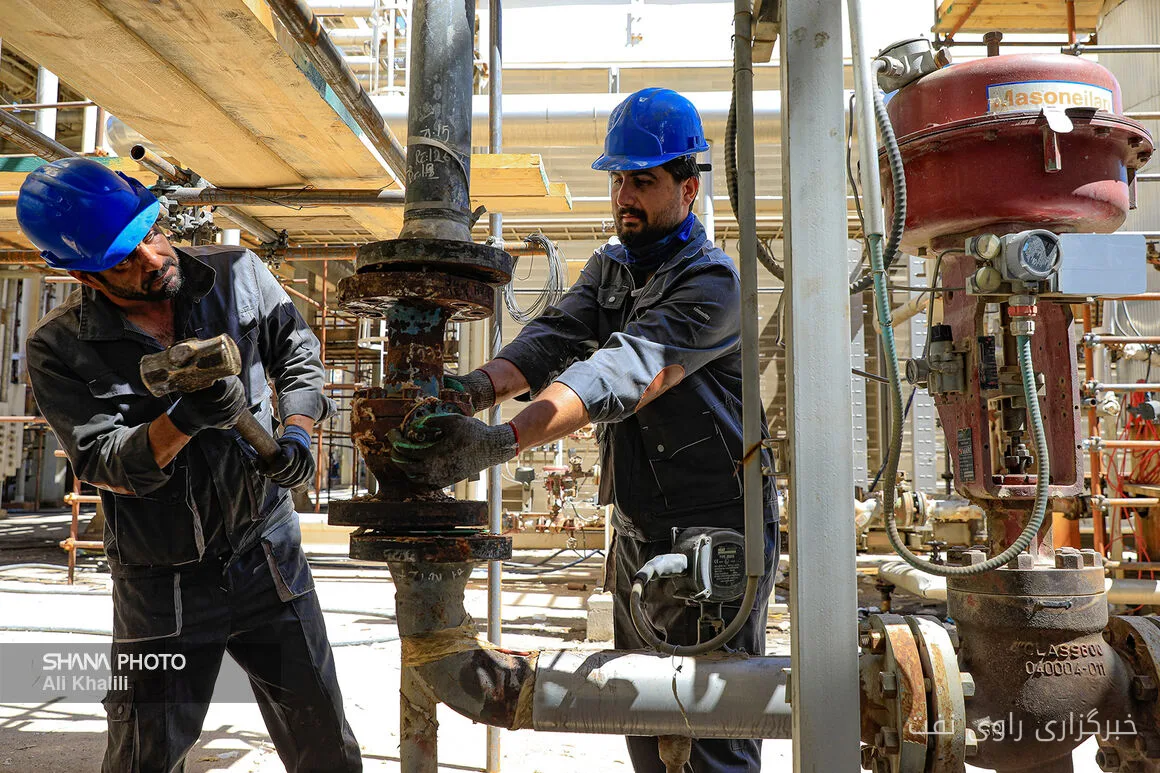
Ilam Gas Refinery Company conducted more than 80 technical inspections of its fixed equipment in the first half of this year. These inspections were aimed at enhancing safety, increasing equipment reliability, and ensuring production stability. Masoud Marzadi, the CEO of Ilam Gas Refinery Company, emphasized that specialized inspections play a crucial role in identifying deficiencies and pursuing corrective actions.
Details of Technical Inspections
Considering that the fixed equipment of the processing units was examined in these inspections, issues requiring repair and discrepancies in the construction and installation of equipment were reported for follow-up and resolution. In the area of welding inspection and non-destructive testing, oversight was conducted on over 430 meters of longitudinal welding and 240 inches of fit-up and welding of pipelines. These actions were taken to ensure the safety and efficiency of the equipment.
Inspections Related to Corrosion and Goods
The CEO of Ilam Gas Refinery Company also referred to the inspection of equipment in the area of corrosion control, stating that monitoring of the cathodic protection system of underground pipelines and storage tanks, as well as oversight of the painting operations of the condensate storage tank, has been carried out. In total, the company successfully inspected over 7,700 items during this period, and inspection activities related to 15 equipment construction and installation projects have been pursued.
The thermal recovery boiler (HRSG) projects and flare gas sales were highlighted as significant initiatives in this area. Marzadi also mentioned field visits to the major repair project of the condensate storage tank and the equipment of the second phase units, adding that meetings for evaluating the continued serviceability of the equipment (FFS) and monitoring the implementation of the risk-based inspection (RBI) program were also conducted during this period.
Marzadi considered timely identification of deficiencies and pursuing corrective actions as essential for the safe and sustainable maintenance of equipment and emphasized the continuation of specialized inspections aimed at increasing equipment reliability and supporting production continuity.



