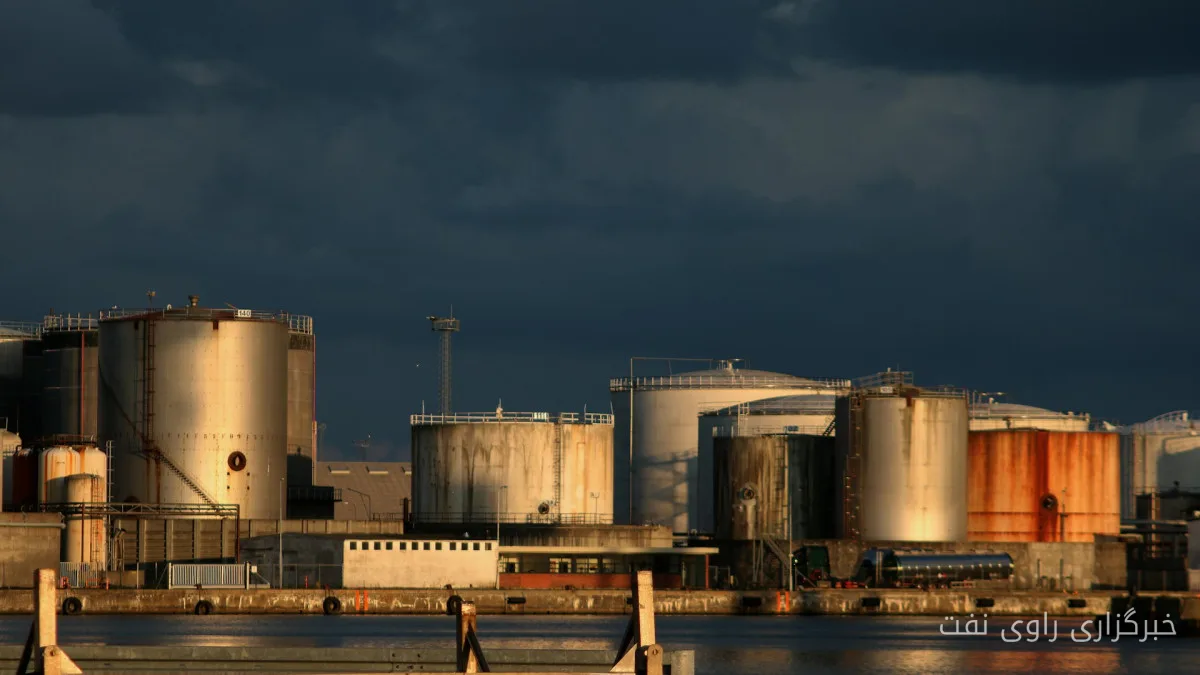
Sol Kavonik, a senior analyst at MST Marquee, expressed serious concerns about the oil market situation, stating that oil flow from the Strait of Hormuz has been severely affected. He remarked, "We are living in an oil market that is somewhat dependent on a credit card, and we cannot use oil reserves indefinitely."
Severe Decrease in Oil Flow
Kavonik estimated that only between 5 to 7 million barrels of crude oil are leaving the Persian Gulf daily, which is about one-third of pre-war levels. He also added that these flows are primarily supported through ship-to-ship (STS) transfers outside the Strait of Hormuz. This analyst also pointed to the increase in oil flows from Saudi Arabia, which has managed to compensate for about half of the 5 million barrels lost at the Red Sea port of Yanbu by increasing flows from Hormuz through STS offers outside Oman and the UAE.
Read more: Qatar's LNG Production Decrease Revives New Projects in Argentina and East Timor
Economic and Strategic Impacts
Given the intractable situation in the Strait of Hormuz and the lack of a diplomatic solution to the current crisis, Kavonik warned that "these issues indicate that conditions may worsen before they improve." Additionally, record releases from reserves led by the International Energy Agency (IEA) have resulted in a reduction of strategic inventories in developed economies, including the United States. Currently, the U.S. strategic oil reserve is at its lowest level since the early 1980s.
China, which strategically reduced its crude oil imports by 4 to 5 million barrels per day in May and June, has gradually increased its purchases. This shift will eliminate the demand balance mechanism that prevented oil prices from rising to record high levels in the spring.
Read more: Ghasemali Bazayi Appointed CEO of Pars Special Economic Energy Zone Organization · Fundamental Changes in the Oil Market According to Jamie Webster



