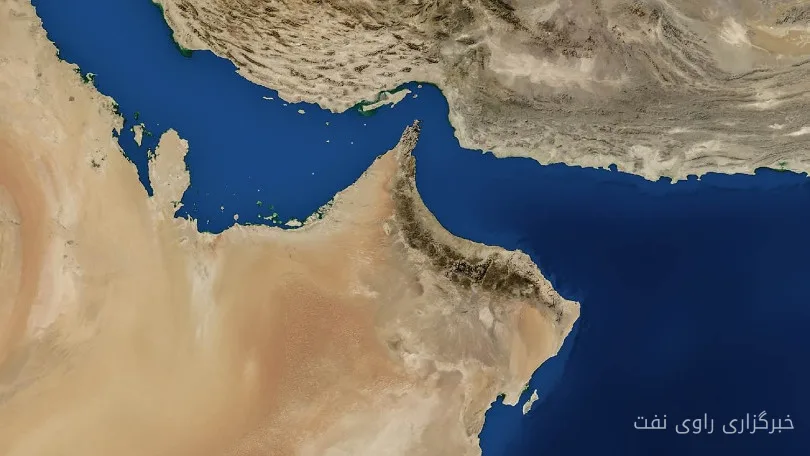
Crude oil prices have surged dramatically in recent days, reaching their highest level in recent months. This price increase is driven by growing concerns about a decrease in oil supply due to the escalation of conflicts in the Middle East, particularly in Yemen. Reports indicate that Iranian-backed Houthi militants have captured a key port in Yemen, which could have profound impacts on the global oil market.
Global Impacts and Concerns About Oil Supply
With rising oil prices, various groups in the market are seeking to analyze the implications of this event. The capture of the mentioned port, as a strategic point in the oil supply chain, has raised concerns about disruptions in oil supply from this region. This situation could particularly affect global oil prices and pose new risks for investors.
The increase in oil prices comes at a time when markets are highly sensitive to economic and political data. Any negative developments in the Middle East could quickly impact oil prices, and this time we witnessed a swift market reaction. Analysts believe that if these conflicts continue, they may lead to a much larger crisis with repercussions beyond regional borders.
Concerns About the Future of the Oil Market
Currently, investors and analysts are awaiting new updates on the status of the conflicts and their impact on oil supply. Many of them are reporting the likelihood of further price increases if tensions continue. In the meantime, the economic situation of oil-dependent countries will also be affected, potentially leading to greater volatility in the global market.
Given the current conditions, it seems we should expect further developments in the oil market, and views on the future of this market will be significantly influenced by the political and military situation in the region.