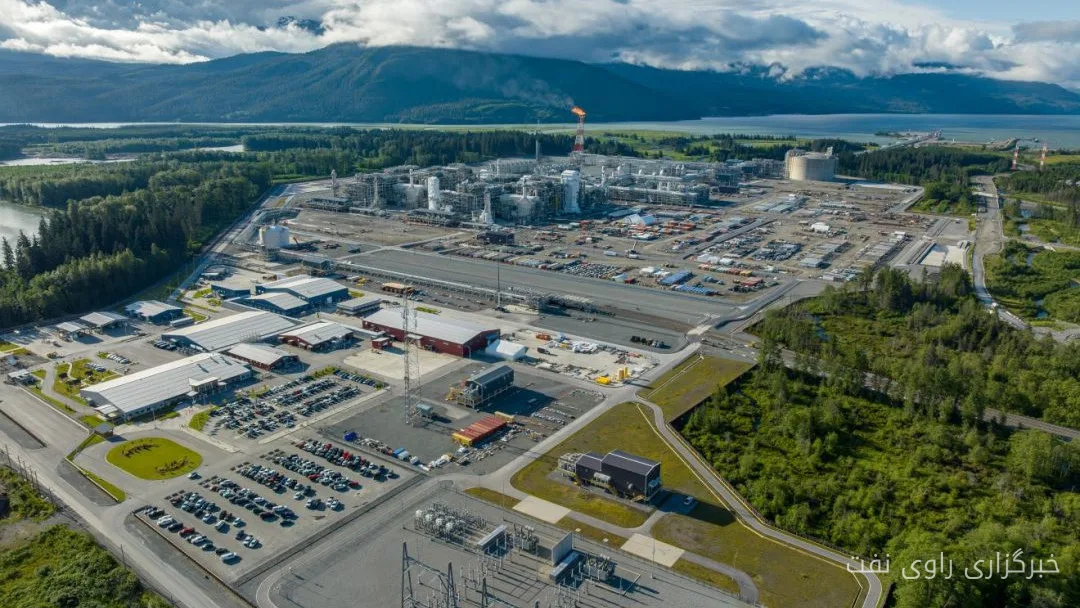
Shell, along with PetroChina, PETRONAS, Mitsubishi Corporation, and KOGAS, has officially confirmed the final investment decision (FID) for the Phase 2 LNG Canada development project. This project doubles the capacity of LNG Canada facilities to 28 million tons per year (mtpa) and enhances the country's ability as a significant long-term supplier for Asian markets.
Future Developments in Canadian LNG Exports
With other ongoing projects like Cedar LNG and Woodfiber, Canada is expected to export 33 million tons of LNG per year by the end of this decade. According to a report by Wood Mackenzie, Canada is well-positioned to meet the growing Asian demand for liquid and low-carbon LNG, due to its vast resource scale, geographical proximity, and short transportation routes across the Pacific.
However, Wood Mackenzie has warned that Canada faces diminishing opportunities in the global race for attracting investment and market share. Joshua Ngu, Vice President of Asia and Pacific at Wood Mackenzie, stated, "For Asian buyers, Canada offers something that is increasingly rare in the global LNG markets; a combination of resource scale, access to the Pacific basin, and short transportation routes."
Challenges Ahead for Canadian LNG Exports
According to Wood Mackenzie forecasts, Asian LNG demand is expected to double from about 260 million tons per year today to around 500 million tons per year by 2060, providing a significant opportunity for Canadian LNG exports. One of Canada's key advantages is its location. The LNG terminal in Kitimat is situated on the Pacific coast, allowing tankers to avoid the Panama Canal and Middle Eastern chokepoints. Seaborne cargoes from British Columbia reach Tokyo in about 8 to 9 days, compared to 16 to 18 days from the Gulf Coast of the United States.
Additionally, there is an increasing appetite for North American LNG. In the first half of 2026, U.S. LNG exports to Asia rose by over 108% compared to the same period in 2025. This increase has been particularly driven by shutdowns around the Strait of Hormuz and high demand for non-Middle Eastern cargoes.
However, Canada must also contend with challenges. New American projects like CP2 LNG, Commonwealth LNG, and Dolphin FLNG 1, all of which reached FID this year, continue to bolster the U.S. dominance in global LNG exports. Furthermore, infrastructure and LNG export projects in Africa, Latin America, and Australia are rapidly advancing, offering Asian buyers price-sensitive, diverse portfolios.
Countries like Mozambique, Nigeria, and Mauritania/Senegal are developing massive offshore fields and FLNG facilities, turning the continent into a major supplier for Europe and Asia.



