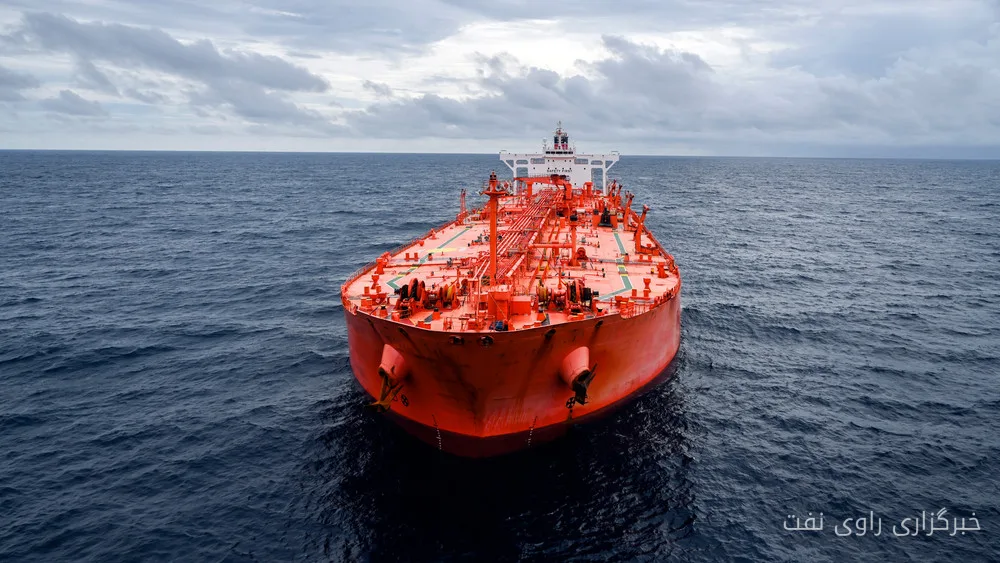
The significant reduction in fuel oil supply in the Middle East and Russia has led to greater challenges for the availability of this fuel in the near future. Given the rising demand from the shipping industry, this supply decline could lead to more serious problems. According to Kieran Gallagher, head of Asian operations at Vitol, high-sulfur fuel oil exports from the Middle East have decreased by at least 800,000 tons per month compared to pre-war levels.
Factors Influencing Supply Decline
Gallagher stated that producers are struggling to move shipments out of the Strait of Hormuz due to rising freight rates and higher premiums. This highlights the importance of oil revenues for the national budgets of the region's countries. The premium for these exports remains significant, creating uncertainties regarding future supply from this region.
Fuel oil is recognized as a standard fuel for the shipping industry, but recently some refiners in Asia have turned to using high-sulfur fuel oil as feedstock for refineries due to disruptions in Saudi exports from the Red Sea. These refineries have purchased shipments totaling nearly 1 million tons for delivery in November.
Impact of Ukrainian Attacks on Fuel Oil Supply
Additionally, Ukrainian drone attacks on Russian refineries have also affected the supply situation. Gallagher estimates that these attacks have led to a reduction in supply of about 1 million tons per month. He added that the key to solving this issue lies in replacing fuel oil with crude oil as feedstock for refineries, but this is challenging due to transportation risks in the Strait of Hormuz.
Following these developments, the premium for fuel oil used in commercial shipping in the spot market has significantly increased, reaching nearly $50 per ton, compared to just $5.10 per ton in late February. This increase reflects the growing pressures on supply and demand in the global fuel oil market.
Before the outbreak of the war between the United States and Israel and Iran, high-sulfur fuel oil exports from the Middle East averaged 3.7 million tons per month. However, tensions in the Strait of Hormuz have had serious effects on the exports of refined fuels. These changes could lead to major shifts in the fuel oil market and its economic impacts globally.



