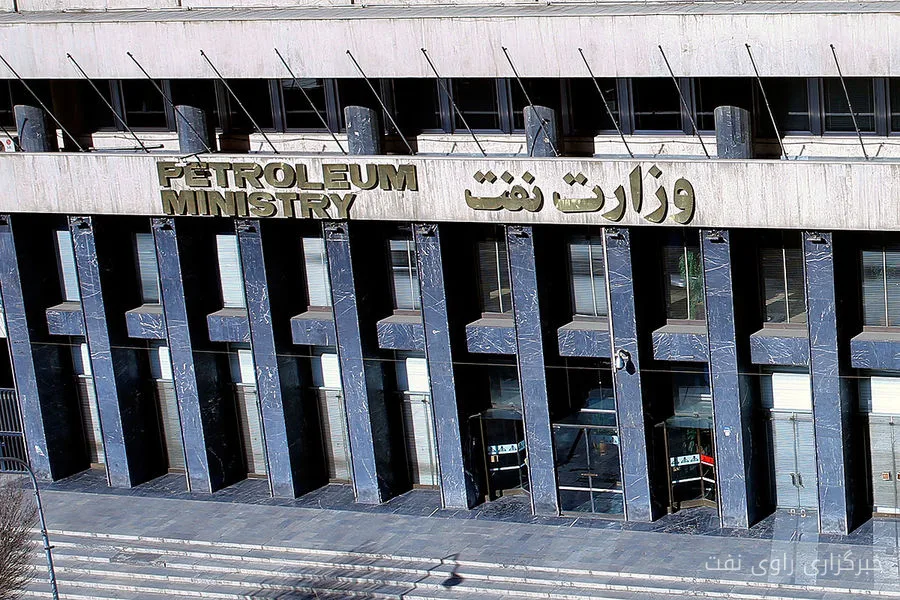
The future Minister of Oil should be selected based on specialized knowledge, executive experience, and a deep familiarity with the real issues of the oil industry. As speculation about the final candidate for the Ministry of Oil continues, the main concern of managers, experts, and activists in this field is that this sensitive responsibility is entrusted to someone who does not require significant time to understand the structures, capacities, and challenges of the oil industry.
The Need for Specialized Knowledge and Practical Experience
The Ministry of Oil is one of the organizations that requires not only managerial ability and decision-making power at a macro level but also specialized knowledge and practical experience in various areas of the oil and gas chain. Simultaneous management of production and field development, maintaining the operational capacity of facilities, securing financial resources for projects, increasing productivity, managing exports, and dealing with limitations arising from sanctions present a series of interconnected responsibilities for the Minister of Oil.
Read more: IRGC Destroys Third Super Tanker in Violation in the Strait of Hormuz
The Necessity of Direct Understanding of Mechanisms
The expectation of the oil industry from the government is to consider this fundamental reality in selecting the future minister: the complexities of this industry cannot be understood solely from the outside and relying on managerial experiences in other sectors. A significant part of oil issues arises in production fields, processing facilities, and refineries; issues whose real dimensions require years of direct engagement with operational conditions and decision-making in difficult situations.
A manager who has gone through this path can recognize priorities with a clearer understanding of existing realities and make decisions to solve issues that are appropriate to the capacities and limitations of the industry.
Currently, the oil industry faces a set of urgent and long-term necessities. Managing gas imbalances, maintaining production stability, and ensuring feedstock for downstream industries require cohesive planning and continuous coordination among various sectors. Achieving these goals will be difficult without a precise understanding of the status of subsidiary companies and technical and financial capacities.
Selecting a manager who has emerged from the specialized body of the oil industry will help reduce decision-making time and expedite the implementation of priority programs. Additionally, the change at the top of this organization should be carried out in a way that prevents interruptions in ongoing programs and avoids costs arising from managerial transitions.
Ultimately, the demand from the oil industry is clear: the future minister must have sufficient knowledge of this industry and be able to take on the responsibility of leading it based on experience and expertise. Choosing a manager familiar with the realities of this industry is a managerial and strategic necessity for safeguarding national interests and ensuring the continuity of operations in one of the most important economic sectors of the country.
Read more: Meeting the Needs of the Textile and Clothing Industry at Shahid Tondgouyan Petrochemical · Ali Nikzad Describes the Reconstruction Process of Damaged Facilities in South Pars



