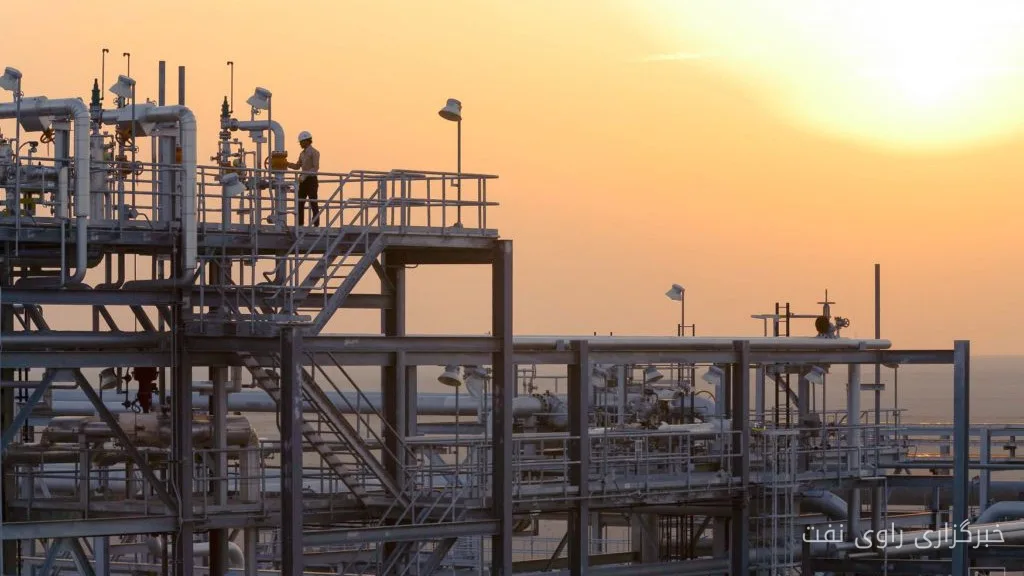
Saudi Arabia has restored its oil exports to nearly 80% of pre-war levels. This increase in oil exports comes at a time when transportation costs have reached their highest point and the risks associated with tankers have also escalated.
Challenges in the Oil Market
Brent crude oil prices have approached around $100 per barrel, while the increase in Saudi Arabia's crude oil exports faces significant challenges, including heavy transportation costs and security concerns. Saudi crude oil exports are at risk due to unprecedented drone attacks on tankers.
Read more: Brent trades again at around $100 per barrel
While Saudi Arabia strives to maximize its exports, shipping companies tend to remain silent about damages due to increased risks. This could impact the oil market and raise concerns about supply sustainability.
Impacts on the Asian Market
The Asian petroleum products market is particularly affected by China's export bans. As one of the largest importers of petroleum products in the world, China's halt on issuing export licenses for refined products has led to price increases and supply reductions in Asian markets. Given that China's refined product exports were projected to average 750,000 barrels per day, this temporary ban has created a crisis in Asia's import markets.
In September, China's clean product exports reached a record 1.1 million barrels per day, indicating other countries' high dependence on this nation. As a result, product prices in the Singapore market have surged, and Asian countries are seeking to secure available volumes.
Overall, the increase in Saudi Arabia's oil exports and the existing challenges in the market, alongside China's uncertain situation and transportation costs, have contributed to a complex state in the oil industry. These developments could have profound impacts on global oil prices and supply.
Read more: Hamid Bord emphasized the national perspective of the Ministry of Oil employees · OPEC met with two major oil-consuming countries



