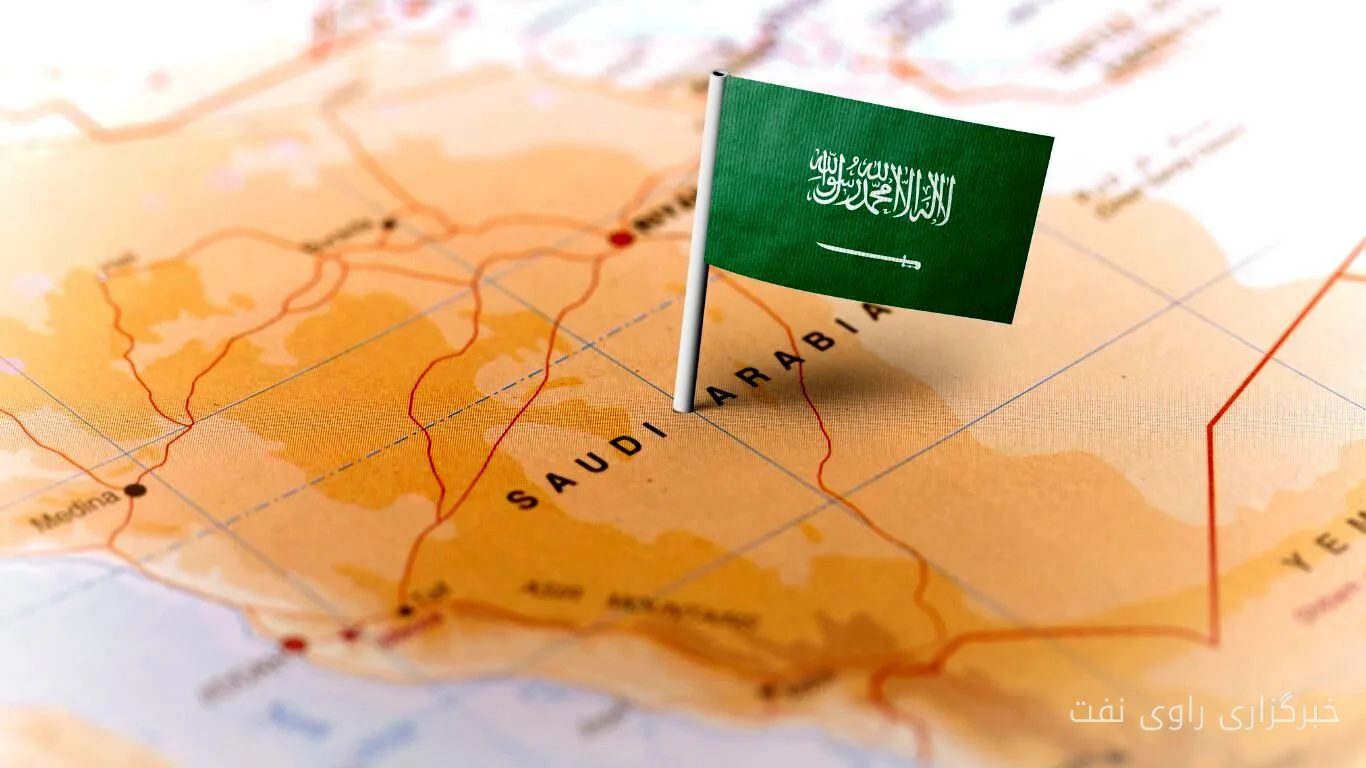
The strategic East-West pipeline in Saudi Arabia has once again been halted due to a drone attack from Yemen. This pipeline, which transports oil from the eastern regions of Saudi Arabia to the port of Yanbu on the Red Sea coast, is one of the most important alternative routes for Saudi oil exports during disruptions in transit through the Strait of Hormuz.
Details of the Attack and Pipeline Status
Operations of this pipeline have been suspended since Sunday, and satellite images report widespread smoke in the area. The East-West pipeline, which is approximately 1,200 kilometers long, typically has a transport capacity of between 4 to 5 million barrels of oil per day. This pipeline was also damaged in a similar attack in September, leading Saudi Arabia to temporarily halt its operations.
Read more: New Records in Crude Oil Transportation with Breakwave Advisors Report
Aramco Oil Price Reduction
Following these developments, Aramco has reduced the official selling price of its "Arab Light" oil to Asian customers for November to $5 per barrel below the average price of Oman and Dubai oil. This price reduction marks the lowest discount level since June 2020. Additionally, the prices of heavier grades of Aramco oil for Asian customers have also decreased by $5 per barrel.
Increased security disruptions and rising oil transportation costs are among the reasons for this decision. The cost of renting supertankers for the route from the Gulf to Asia has reached about $1.2 million per day, which has significantly increased compared to a year ago. By reducing the official oil price, Aramco is attempting to offset some of these additional costs for buyers.
Security and Economic Implications
Recent attacks on Saudi Arabia's energy infrastructure have raised significant concerns in the global oil market. Yemeni armed forces have targeted Aramco facilities in Riyadh with ballistic missiles and drones. This situation could lead to further disruptions in Saudi oil exports, especially since the East-West pipeline is recognized as the main oil transport route for Saudi Arabia.
Following these attacks, Saudi Arabia has had to resume part of its exports through the Strait of Hormuz and also utilize methods such as ship-to-ship transfers outside the Strait of Hormuz. These developments could have serious impacts on the costs and export routes of Saudi oil.
Read more: Hamid Bord is Seriously Following the Ministry of Oil's Plans · Sale of $9.6 Billion in Upstream Oil Assets in Southeast Asia by 2027



