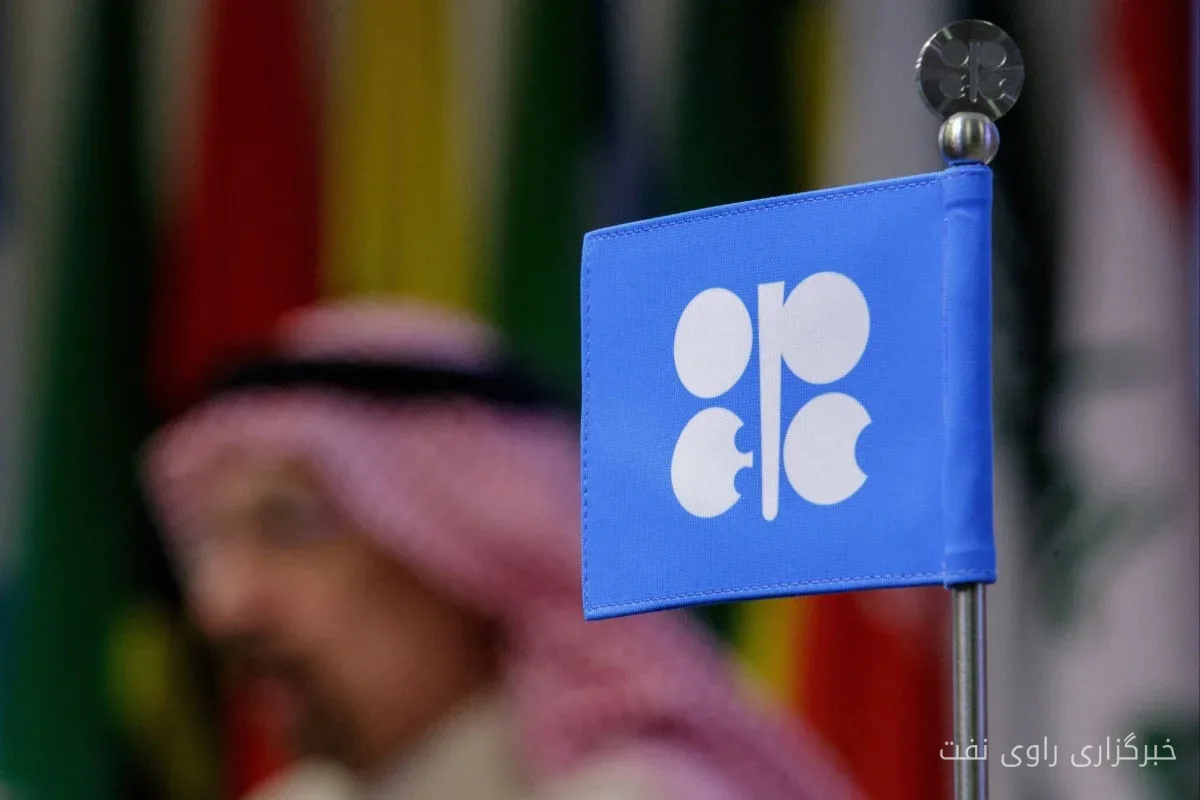
In a surprising turn of events, Saudi Arabia's crude oil production reached its lowest level since 1990 in August 2023. This news comes as the global economy is heavily affected by fluctuations in the energy market, and analysts are concerned about the implications of this production cut for oil prices and energy security worldwide.
Factors Influencing Production Decline
The reduction in Saudi Arabia's oil production is a result of the country's strategic decisions to control supply in the global market. In recent months, Saudi Arabia has continuously sought to prevent a drop in oil prices and has reduced its production for this purpose. This action takes place amidst a decline in global demand for oil due to economic crises and political developments.
This production cut could significantly impact global oil prices. Given that Saudi Arabia is one of the largest oil producers in the world, any change in its production can lead to significant fluctuations in the market.
Economic and Social Consequences
With oil production falling to its lowest level in 36 years, concerns about Saudi Arabia's economic future have also increased. The government of this country has recently taken steps to diversify its economy, but declining oil revenues could directly affect developmental and social programs. This situation is concerning not only for Saudi Arabia but also for other oil-exporting countries.
Analysts believe that if Saudi Arabia cannot restore its production to previous levels, it may face serious challenges in financing its major projects. Especially since this country is seeking to reduce its dependence on oil and develop other sectors of its economy.
Ultimately, it remains to be seen whether Saudi Arabia can confront these challenges and lift its oil production from this historic low or if it should expect more serious repercussions in the future.