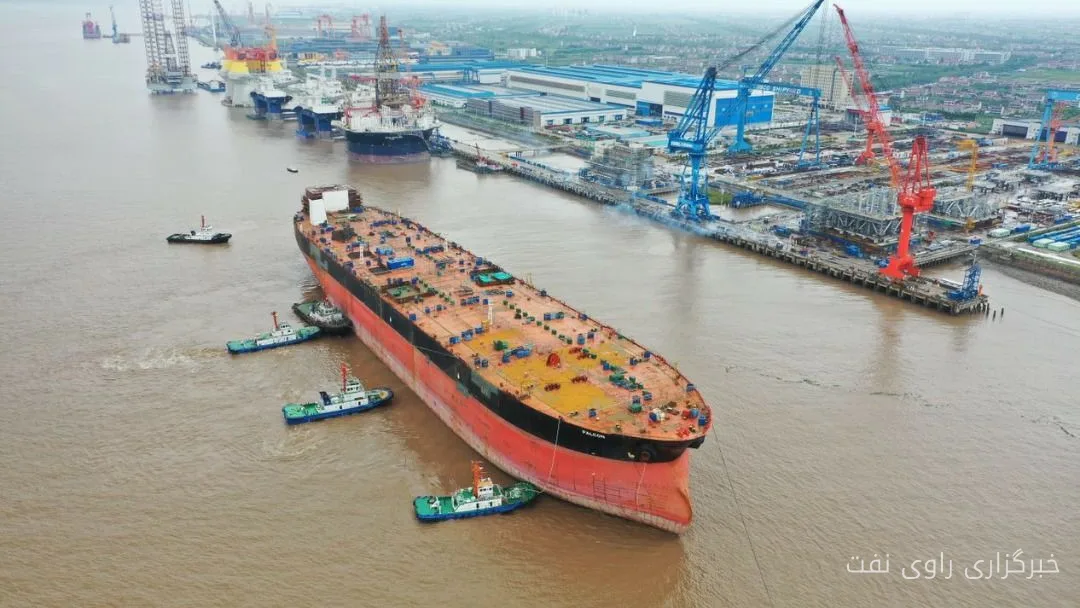
Rising oil transportation costs are reshaping global oil trade and the prices received by producers. With transportation costs increasing, the prices delivered have exceeded what refiners are willing to pay, putting pressure on producers to reduce the price gap or find buyers closer to them.
While Chinese refiners tend to expect a reduction in transportation costs, some producers are committing to future oil loadings at prices that leave little margin for current transportation costs. Their returns increasingly depend on whether transportation costs decrease before loading.
Pressure from Rising Costs in the Middle East
This pressure is particularly noticeable in the Middle East, where oil transportation costs have risen following two waves of price increases since the war began in March. VLCC (Very Large Crude Carrier) rates from the Gulf to China initially rose from around $4 per barrel to $17, then decreased to $11 to $12 during April to July. However, the expiration of the U.S.-Iran ceasefire in August led to another sharp increase, with transportation costs reaching $33 per barrel by late September, bringing delivery costs from the Gulf to China to about $140 per barrel.
For transportation to Japan and South Korea, delivery costs were even higher, reaching about $145 per barrel. Alternative loading points have also provided uneven relief. Transportation from Saudi Arabia's Yanbu terminal to China fell to $67 per barrel after the initial price increases during the war, but Houthi restrictions on Saudi cargoes through Bab al-Mandab brought it down to $28 in mid-October, raising delivery costs to about $140.
Saudi Arabia's Strategy Against Market Pressures
Saudi loadings in Yanbu have significantly decreased to 1.6 to 1.8 million barrels per day, half the average from March to July, due to increased Houthi attacks on energy infrastructure along the Red Sea coast. This has put considerable pressure on Aramco to absorb part of the transportation costs of cargoes through Hormuz. Aramco's proposed price for Arab Light crude for November is set at a $5 per barrel discount to the Oman/Dubai price, compensating for at least part of their $10 to $15 per barrel transportation cost to export out of the Strait.
However, few Asian refiners are willing to charter their ships and send them to the Gulf. From Suhar, where most of Aramco's STS transactions occur, Saudi cargoes are sold on a cash basis rather than official prices, and it has been reported that their price is $5 above Dubai. Nevertheless, transportation costs still push their delivery costs in China above $130 per barrel, exceeding what Chinese refiners are willing to pay.
Producers still need to sell oil, while Chinese refiners are motivated to wait for a reduction in transportation costs. Therefore, Aramco's strategy is to set a price differential for loadings approximately two months out, thus securing the buyer but leaving the final margin dependent on transportation costs. Sustained high rates could limit or even eliminate the seller's margin, ultimately leaving a margin below its nominal OSP price.



