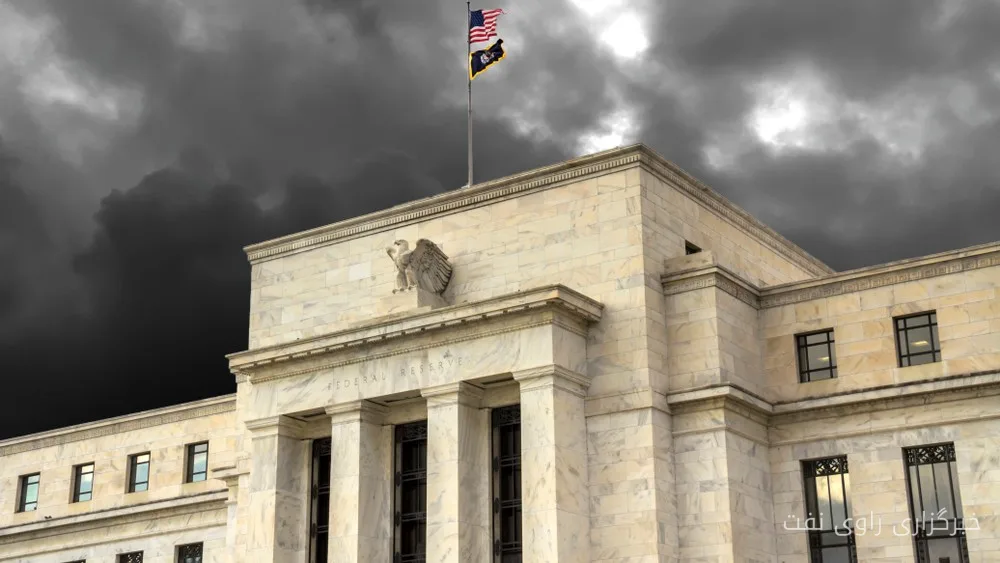
The rise in crude oil prices in recent weeks has had a significant impact on global monetary policies. This price increase will push the Federal Reserve of the United States towards a new interest rate hike in September. According to gathered information, up to 90 percent of respondents in business circles expect the interest rate to increase by 25 basis points.
Causes of Rising Oil Prices
The increase in oil prices is primarily due to political tensions in the Middle East and their effects on global oil supply. These tensions have raised concerns about the sustainable supply of crude oil, resulting in price increases. Additionally, a report from the European Central Bank (ECB) has stated that these tensions have fueled inflationary pressures, causing inflation to remain above target for an extended period.
Economic Consequences of Interest Rate Hike
An increase in interest rates can have widespread effects on the economy of the United States and the world. This action could raise borrowing costs, leading to a decrease in investment and household consumption. At the same time, this interest rate hike is expected to help control inflation, but it may put pressure on economic growth.
The European Central Bank stated: "Tensions in the Middle East continuously create inflationary pressures, and inflation is expected to remain above target for a prolonged period." This situation reflects the economic challenges facing the Federal Reserve and other financial institutions globally.
Currently, financial markets are heavily influenced by these developments, and investors are looking for signs of further changes in monetary policies. Given the current situation, market reactions to this interest rate hike are expected to be significant.
Read more: Unanswered Questions About 80 Million Barrels of Oil and Four Trusts