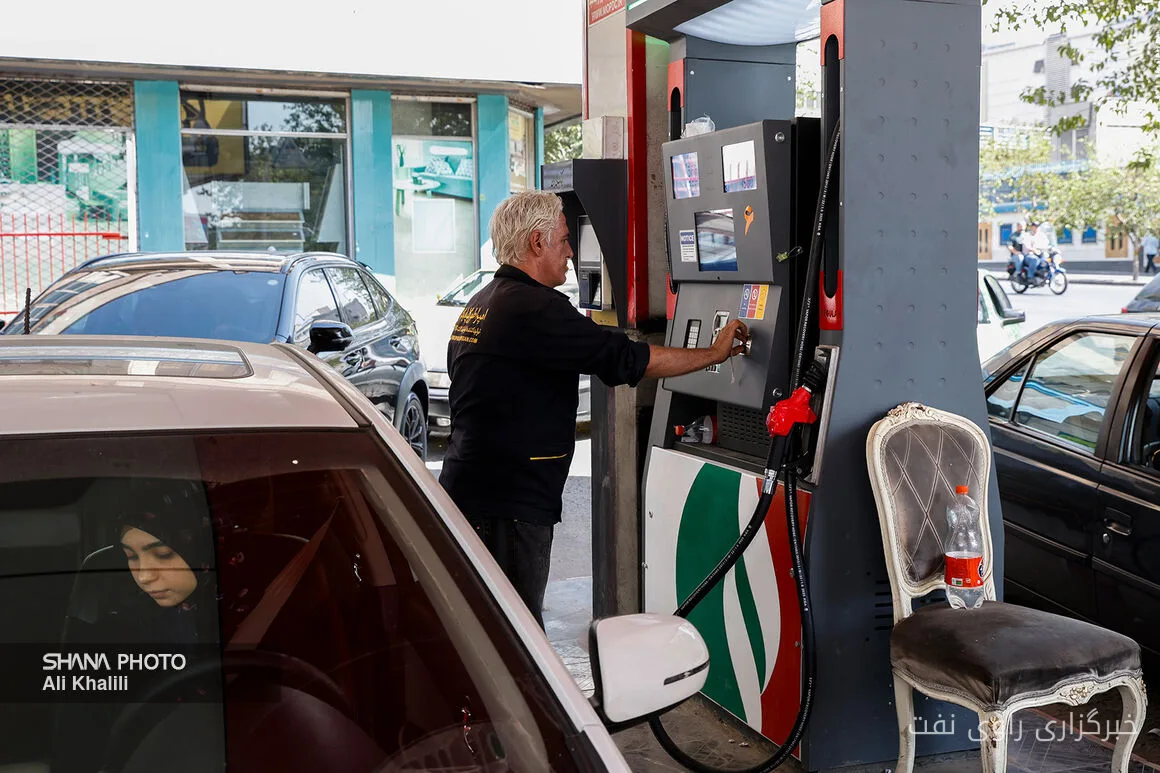
Reza Sepahvand stated regarding the issue of gasoline consumption management: "Numerous meetings have been held in the Energy Commission about fuel consumption management, ultimately leading to the formation of a special task force. This task force, with representatives from the Ministry of Oil, the Organization for Optimization and Strategic Management of Energy, the Headquarters for Combating Smuggling of Goods and Currency, and the Economic Deputy of the Ministry of Economy, has been established to manage all aspects of this area in a specialized and integrated manner."
Implementation of the gasoline quota transfer plan
Sepahvand added: "The output of the specialized meetings was the application of Article 56 of the Energy Consumption Pattern Reform Law for optimizing gasoline consumption. Accordingly, the plan to transfer gasoline quotas from fuel cards to bank cards has been placed on the agenda. The first phase of this process has begun with the free fuel cards available at the supply stations. In this model, the vehicle owner uses their bank card to refuel at the station."
Read more: Emergency management in Assaluyeh petrochemicals
Timeline for implementing the plan
In this process, an amount of 1,000 tomans will be charged for system transactions and switch management defined by the Ministry of Economy, which will lead to complete transparency of transactions and prevent misuse of free cards by station owners. Sepahvand stated about the timeline for implementing the plan to transfer gasoline quotas from fuel cards to bank cards: "This plan will be implemented by the end of Mehr in five provinces (including Tehran), and based on the planned schedule, the transfer of quotas to bank cards will be operational nationwide by the end of this year."
He considered fuel consumption management an unavoidable necessity and emphasized: "It should be noted that the country is in a wartime situation, and managing consumption is not only the government's duty, but the consumption of the people themselves must also be commensurate with this wartime situation. Reducing unnecessary travel and avoiding waste is essential to overcome these special conditions."
Sepahvand, referring to the necessity of changing approaches in the management of the country, emphasized the need for a wartime posture at all levels and said: "Given the special conditions of the country, it is necessary for all management pillars to stand against existing imbalances by promoting a culture of saving and reforming consumption patterns with collective effort to prevent currency outflow and waste of national resources."
Read more: Hamid Bord's meeting with the managers of the National Petrochemical Industries Company · Saving 100 million liters of gasoline with CNG consumption in Kermanshah



